Prosecution after worker loses part of hand

The Health and Safety Executive (HSE) has undertaken a prosecution after a worker loses part of hand.  Laxtons Limited, a West Yorkshire manufacturing company, has been fined for safety breaches after a worker lost part of their hand in a textile machine.

On 24 March 2021, an employee of Laxtons was running a number of textile machines.  When he opened a guard to check on a build-up of fibres, he reached in to remove material, losing part of his hand.

HSE investigation

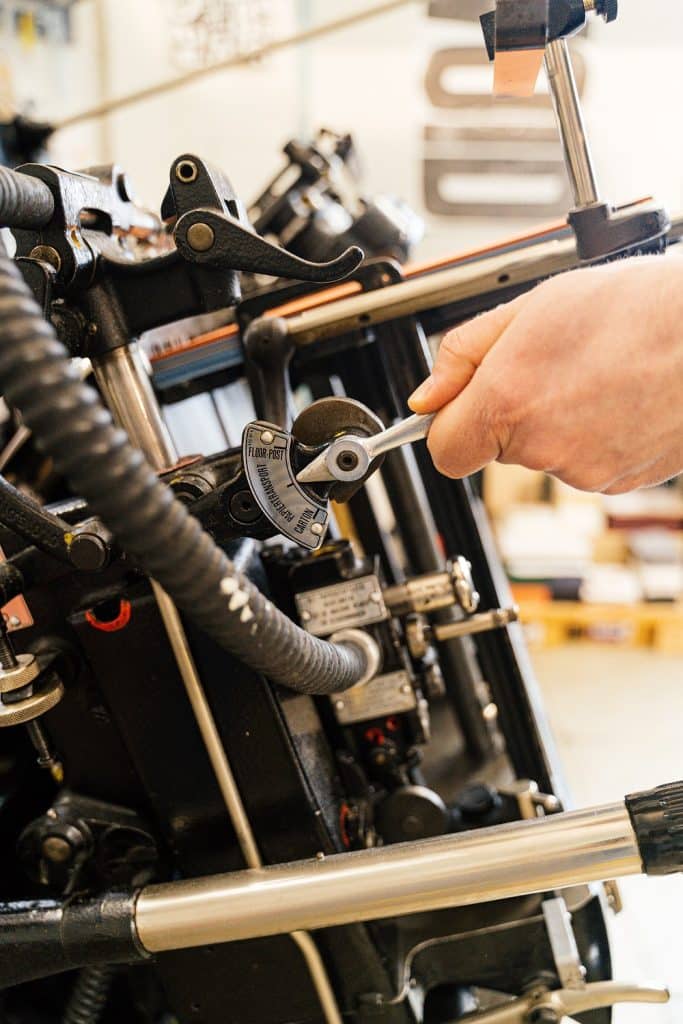
An investigation by the Health and Safety Executive (HSE) found that one of the machines had a defective interlock device. This allowed the machine to continue running when the guard, which was located over a pair of in-running rollers and gears, was opened.

Laxtons Ltd of Shipley, West Yorkshire pleaded guilty to breaching Regulation 11 (1) of the Provision and Use of Work Equipment Regulations 1998. The company was fined £15,750 and ordered to pay £759 in costs at Leeds Magistrates’ Court.

worker loses part of hand
Work equipment must be safe to use (stock image)

HSE inspector Julian Franklin said:

“Machine guarding should be in line with the appropriate standard, and regularly checked.  This incident could so easily have been avoided by simply training staff in the safe and correct way of operating machinery, and regularly checking that safety devices are functioning.”

Work equipment

The Provision and Use of Work Equipment Regulations 1998, often abbreviated to PUWER, place duties on people and companies who own, operate or have control over work equipment. PUWER also places responsibilities on businesses and organisations whose employees use work equipment, whether owned by them or not.  PUWER requires that equipment provided for use at work is:

  • suitable for the intended use
  • safe for use, maintained in a safe condition and inspected to ensure it is correctly installed and does not subsequently deteriorate
  • used only by people who have received adequate information, instruction and training
  • accompanied by suitable health and safety measures, such as protective devices and controls. These will normally include guarding, emergency stop devices, adequate means of isolation from sources of energy, clearly visible markings and warning devices
  • used in accordance with specific requirements, for mobile work equipment and power presses

Some work equipment is subject to other health and safety legislation in addition to PUWER. For example, lifting equipment must also meet the requirements of the Lifting Operations and Lifting Equipment Regulations 1998 (LOLER), pressure equipment must meet the Pressure Systems Safety Regulations 2000 and personal protective equipment must meet the Personal Protective Equipment at Work Regulations 1992 (PPE).

If your business or organisation uses work equipment or is involved in providing work equipment for others to use (e.g. for hire), you must manage the risks from that equipment. This means you must:

  • ensure the equipment is constructed or adapted to be suitable for the purpose it is used or provided for
  • take account of the working conditions and health and safety risks in the workplace when selecting work equipment
  • ensure work equipment is only used for suitable purposes
  • ensure work equipment is maintained in an efficient state, in efficient working order and in good repair
  • where a machine has a maintenance log, keep this up to date
  • where the safety of work equipment depends on the manner of installation, it must be inspected after installation and before being put into use
  • where work equipment is exposed to deteriorating conditions liable to result in dangerous situations, it must be inspected to ensure faults are detected in good time so the risk to health and safety is managed
  • ensure that all people using, supervising or managing the use of work equipment are provided with adequate, clear health and safety information. This will include, where necessary, written instructions on its use and suitable equipment markings and warnings
  • ensure that all people who use, supervise or manage the use of work equipment have received adequate training, which should include the correct use of the equipment, the risks that may arise from its use and the precautions to take
  • where the use of work equipment is likely to involve a specific risk to health and safety (eg woodworking machinery), ensure that the use of the equipment is restricted to those people trained and appointed to use it
  • take effective measures to prevent access to dangerous parts of machinery. This will normally be by fixed guarding but where routine access is needed, interlocked guards (sometimes with guard locking) may be needed to stop the movement of dangerous parts before a person can reach the danger zone. Where this is not possible, such as with the blade of a circular saw, it must be protected as far as possible and a safe system of work used. These protective measures should follow the hierarchy laid down in PUWER regulation 11(2) and the PUWER Approved Code of Practice and guidance or, for woodworking machinery, the Safe use of woodworking machinery: Approved Code of Practice and guidance
  • take measures to prevent or control the risks to people from parts and substances falling or being ejected from work equipment, or the rupture or disintegration of work equipment
  • ensure that the risks from very hot or cold temperatures from the work equipment or the material being processed or used are managed to prevent injury
  • ensure that work equipment is provided with appropriately identified controls for starting, stopping and controlling it, and that these control systems are safe
  • where appropriate, provide suitable means of isolating work equipment from all power sources (including electric, hydraulic, pneumatic and gravitational energy)
  • ensure work equipment is stabilised by clamping or otherwise to avoid injury
  • take appropriate measures to ensure maintenance operations on work equipment can be carried out safely while the equipment is shut down, without exposing people undertaking maintenance operations to risks to their health and safety

When providing new work equipment for use at work, you must ensure it conforms with the essential requirements of any relevant product supply law (for new machinery this means the Supply of Machinery (Safety) Regulations 2008). You must check it:

  • has appropriate conformity marking and is labelled with the manufacturer’s details 
  • comes with a Declaration of Conformity
  • is provided with instructions in English
  • is free from obvious defects – and that it remains so during its working life

If you require advice on health and safety in your workplace, please contact one of the Ashbrooke team.
Roofer jailed following fall injuries

Roofer jailed for four months after a worker was seriously injured falling through a fragile roof on to a concrete floor.

The man and another labourer, who were working for Geoff Whitehouse, trading as Midland Roofing, were working on a fragile roof on 11 August 2021 to remove old skylights at premises in Henley Road, Warwick.

The injured worker fell approximately three metres through the roof and suffered serious multiple fractures including a fractured skull.

HSE investigation

An investigation by the Health and Safety Executive (HSE) found that the majority of the work could have been done from underneath the roof.  The inside of the roof could have been fitted with nets prior to anyone going on to the fragile surface so that someone falling would have been saved by the nets. The work at height was not adequately planned, managed nor supervised.

Additionally, Mr Whitehouse did not have employers’ liability insurance in place. Employers’ liability insurance ensures employers to have at least the minimum level of insurance to cover against claims brought by employees that are injured at work or become ill as a result of work.

Geoff Whitehouse, trading as Midland Roofing, of Worcester pleaded guilty to breaches under Section 1(1) of the Employers Liability (Compulsory Insurance) Act 1969 and Regulation 4(1) of the Work at Height Regulations 2005 (as amended) at Coventry Magistrates’ Court.  He was sentenced to four months in prison at Redditch Magistrates’ Court.

roofer jailed
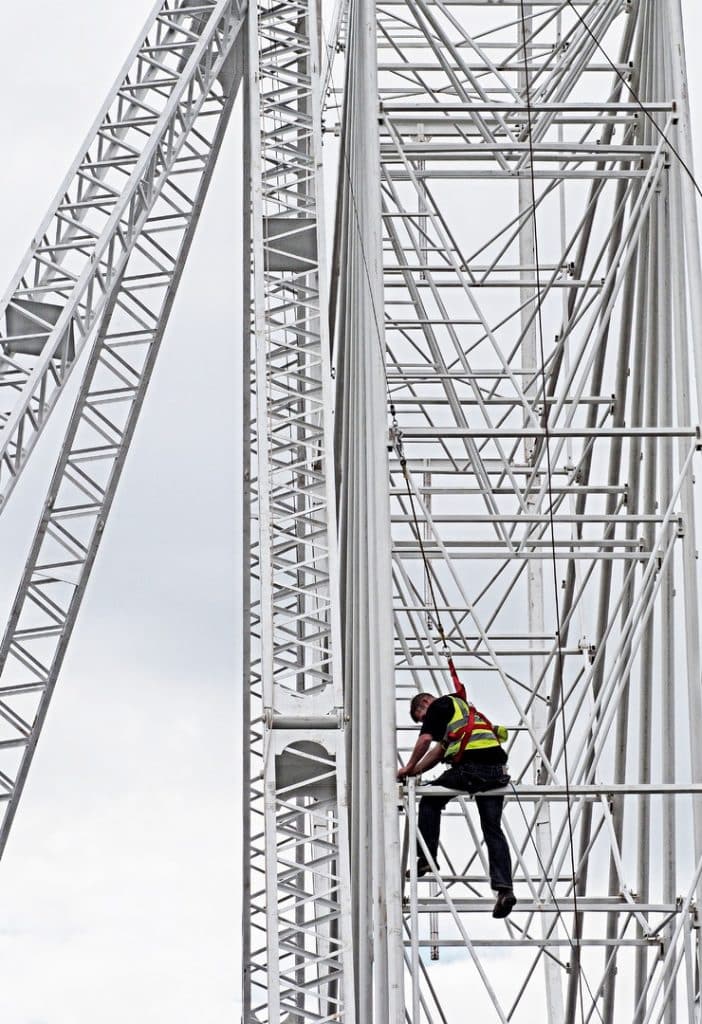
Working at height requires careful planning (stock image)

Speaking after the hearing, HSE inspector Michael Griffiths, said:

“Fragile roofs can and do kill. It does not matter how careful you are standing, sitting or walking on a fragile roof, the roof can collapse as it did in this case, causing potentially life-changing injuries.  This case also highlights the need for ELCI insurance in this sort of work where self-employed labourers under the control of a sole trader are ‘employees’ under Health and Safety Law.”

Employers’ liability insurance

Most employers are required by the law to insure against liability for injury or disease to their employees arising out of their employment.  The Employers’ Liability (Compulsory Insurance) Act 1969 requires employers to have at least a minimum level of insurance against any such claims.  Employers’ liability insurance will cover relevant work injuries or illness whether these are caused on or off site. However, any injuries or illness relating to motor accidents which occur while employees are at work may be covered separately by the employer’s motor insurance.

Public liability insurance is different. It covers employers for claims made against them by members of the public or other businesses, but not for claims by employees. While public liability insurance is generally voluntary, employers’ liability insurance is compulsory. Employers can be fined if they do not hold a current employers’ liability insurance policy which complies with the law.  Employers must display a copy of this certificate where employees have reasonable access to it. If they do not, they can be fined.  Since 1 October 2008, employers have been allowed to satisfy this requirement by displaying the certificate electronically for example on the company’s intranet or website. If your employer chooses this method, they must ensure that you know how and where to find the certificate and you have reasonable access to it.

Falls from height are the most common cause of workplace fatalities accounting for 29 deaths in 2021/22. An operation at height requires careful planning and the use of suitable equipment.  A risk assessment should be undertaken as part of the planning and detail the controls required to ensure workers’ safety including any fall arrest systems to be used.  Any worker involved in an activity at height must be competent to carry out the task and be proficient in using the equipment provided.

If you require advice on health and safety in your workplace, please contact one of the Ashbrooke team.
Agency downgrading pollution prosecutions

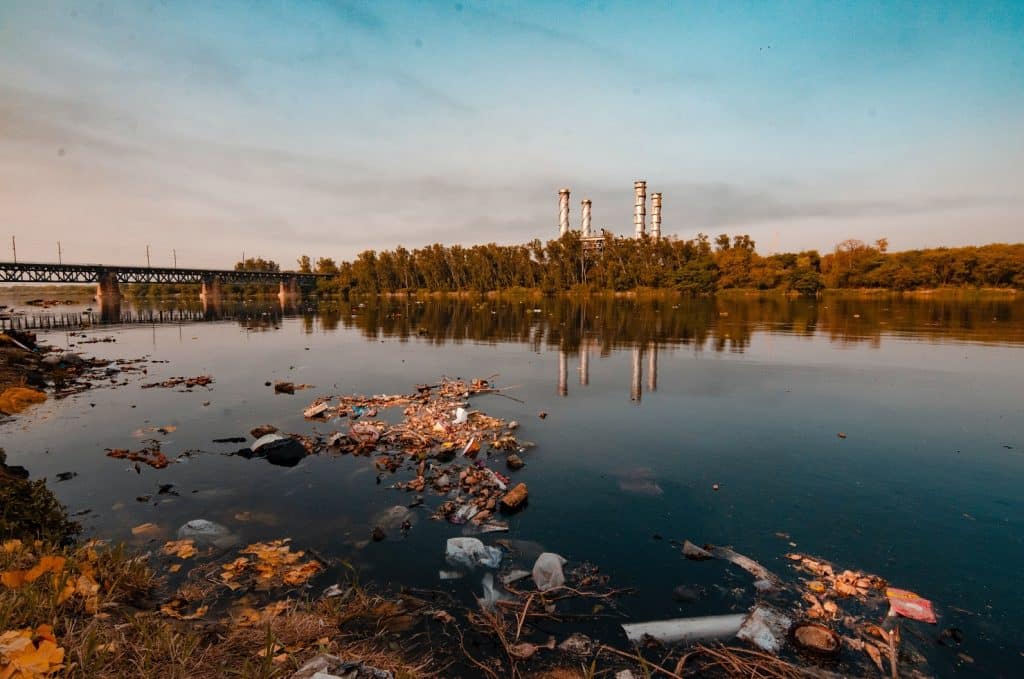
The Guardian has reported that England’s Environment Agency has downgraded 93% of pollution prosecutions for serious incidents over four years, despite recommendations from frontline staff for the perpetrators to face the highest sanction according to a leaked report seen by the paper’s reporters.

Agency downgrading pollution prosecutions
93% of serious pollution prosecutions over 4 years may have been downgraded (stock image)

The EA receives over 100,000 incident reports a year, every one of which is recorded and assessed.  Of 495 serious pollution investigations which were recommended for prosecution only 35 cases were taken forward to prosecution.  A spokesperson for the Environment Agency said the regulator does not comment on leaked documents. However, they said it does:

“consider, record and prioritise all incidents – with all breaches and offences reported to us undergoing a robust initial assessment.  We have a wide range of enforcement options, including civil sanctions, enforcement undertakings, and in some circumstances, advice and guidance. Where prosecution is appropriate, we pursue robustly and in accordance with the Code for Crown Prosecutors, which sets out that the evidence must provide a realistic prospect of securing a conviction and that a prosecution is in the public interest.  Over 90% of our prosecutions are successful, and recent outcomes such as the £90m fine of Southern Water Services show a clear and welcome trend towards much bigger fines against offenders in appropriate cases.”

If you require environmental advice, please contact one of the Ashbrooke team.

Building contractor sentenced over unsafe work

Building contractor sentenced after unsafe work methods constituted a public risk and resulted in asbestos being disturbed.

Preston Crown Court heard that in November 2020, Mr Mohammed Shafiq, owner of a roller shutter business, purchased a former warehouse in Manner Sutton Street, Blackburn to convert into smaller work units, including one for his own use – Mr Shafiq was using his own employees for this.

A report was received by the Health and Safety Executive (HSE) from a member of the public, concerned about the fact that bricks from the blocked-up windows were being knocked out from inside onto the street below, causing risk to passers-by.

The HSE investigation found that as well as the risk posed to pedestrians, no edge protection had been installed to prevent the employees from falling. They were also at risk of an internal fall down an open shaft. Additionally, an asbestos survey had not been carried out on the building prior to work commencing.

Building contractor sentenced over unsafe work
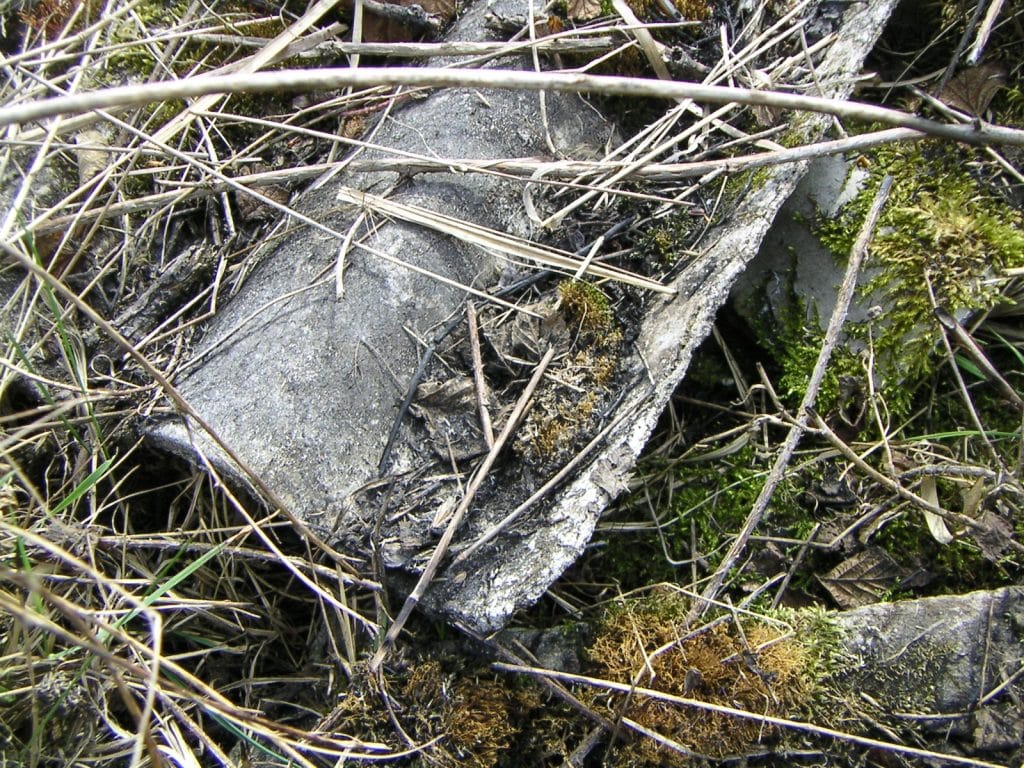
Refurbishment projects may require an asbestos survey (stock image)

As a result, piles of disturbed asbestos containing materials (ACMs) such as asbestos cement and insulation, were lying throughout the site. Workers were dry sweeping construction dust and debris possibly containing carcinogenic asbestos dusts without any respiratory protective equipment or suitable personal protective equipment. None of the workers had been provided with any training in asbestos awareness.

Live electric cables were being trailed through water without RCD protection, posing a risk of electric shock, and there was a general lack of training and suitable equipment for work to be carried out in a safe manner. An experienced principal contractor should have been hired to assess risks and undertake refurbishment work in a controlled manner.

The building contractor sentenced over unsafe work was Mohammed Shafiq of Blackburn who pleaded guilty to breaching Regulation 5 of the Control of Asbestos Regulations 2012, Regulation 4 of the Construction (Design and Management) Regulations 2015 and Regulation 4 of the Work at Height Regulations 2005. He received a 12-month suspended sentence and was fined £5,000 and ordered to pay costs of £4,636.08

HSE inspector Christine McGlynn said after the hearing:

“The public can be reassured that HSE takes concerns seriously and will not hesitate to investigate thoroughly and prosecute those who put workers and members of the public at risk.’’

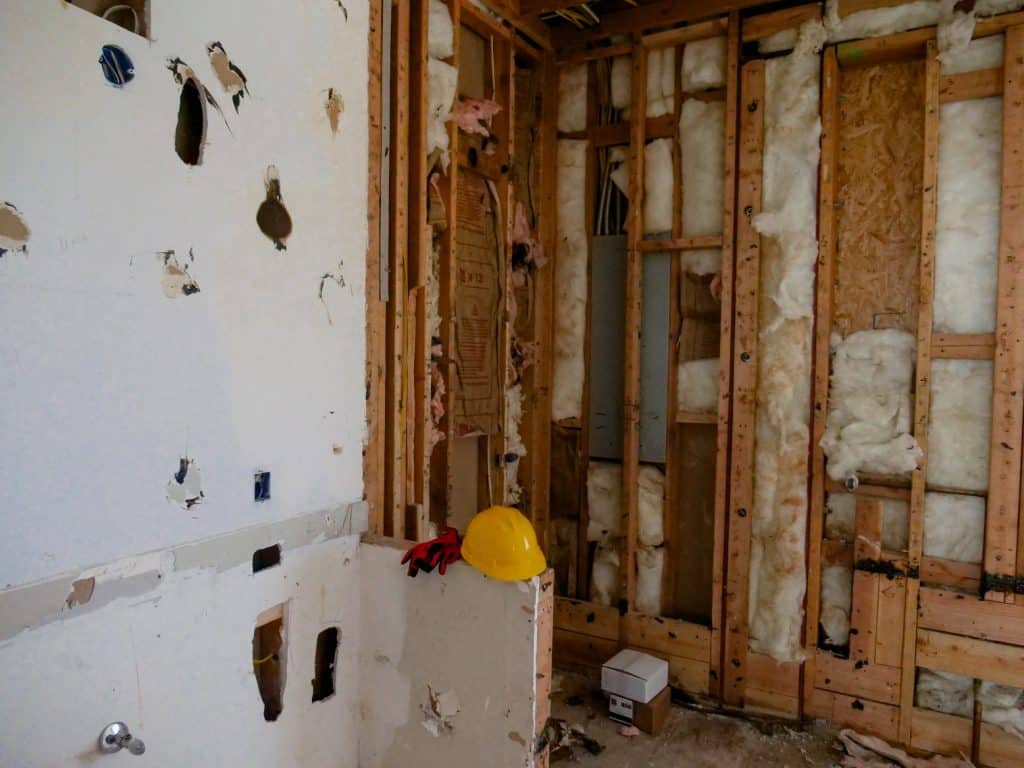
Construction projects require detailed planning to ensure that they are carried out safely.  The appointment of a principal contractor to plan and coordinate the construction project will help to ensure activities are done safely.  Workers engaged in construction activities should be competent and have a good understanding of safe working practices.  Where construction involves disturbing the fabric of a building, an assessment is required in respect of asbestos.  Asbestos containing materials may be present in any building which was constructed or refurbished before 2000 and it may be necessary to engage a specialist asbestos contractor to undertake an intrusive survey. 

If you require advice on health and safety in your workplace, please contact one of the Ashbrooke team.
Prosecutions for angling offences

The Environment Agency has prosecuted two men for angling offences. Wayne Knight of Cosby, Leicester, was fined £220, ordered to pay costs of £135 plus a victim’s surcharge of £34.  Knight admitted fishing without a licence at Mill on the Soar, Sutton Elms, on 1 February 2022.

Lester McManus of Leicester, was fined £40, ordered to pay costs of £135 plus a victim’s surcharge of £34. McManus admitted fishing for freshwater fish during the close season at Aylestone on the River Soar on 24 March 2022.

Angling offences
Environment Agency prosecutions for angling offences (stock image)

A spokesperson for the Environment Agency said:

“These cases show we pursue offenders through the courts and won’t hesitate to take enforcement action where anglers break rules.”

Anyone found fishing illegally may face prosecution and a fine of up to £2,500.

Any angler aged 13 or over, fishing on a river, canal or still water needs a licence. The money raised through the sales of rod licences is re-invested back into the sport and illegal fishing undermines the Environment Agency’s efforts to make fishing sustainable.

A 1-day licence costs from just £6 and an annual licence costs from just £30 (concessions available). Junior licences are free for 13 – 16-year-olds.

Licences are available online or by calling the Environment Agency on 0344 800 5386 between 8am and 6pm, Monday to Friday. The Environment Agency carries out enforcement work all year round and is supported by partners including the police and the Angling Trust. Fisheries enforcement work is intelligence-led, targeting known hot-spots and where illegal fishing is reported.

If you require advice on environmental issues, please contact one of the Ashbrooke team.

Working at height leads to prosecution

A steel fabrication company has been fined £8,000 after employees working at height fell two metres from the forks of a telehandler.

The workers of Eagle Structural Ltd were dismantling an unwanted shipping container at Great Carlton, Lincolnshire on 7 October 2019.

Operatives were working in an unsecured non-integrated working platform when it fell from the forks of a telehandler. One employee suffered a broken arm and fractured elbow and has been told that he will never regain a full range of movement in his arm. The second employee suffered internal bruising.

An investigation by the Health and Safety Executive (HSE) found that the non-integrated working platform was not compatible with the telehandler and that it had not been properly secured to prevent it falling.

Working at height
Working at height requires careful planning (stock image)

Eagle Structural Ltd of Lincolnshire pleaded guilty to breaching Regulation 8(b)(i) of The Work at Height Regulations 2005. At Lincoln Magistrates’ Court on 1 July 2022, the company was fined £8,000 and ordered to pay costs of £2,497.

Speaking after the hearing, HSE inspector, Tim Nicholson said:

“This incident could so easily have been avoided by simply carrying out correct control measures and safe working practices. Companies should be aware that HSE will not hesitate to take appropriate enforcement action against those that fall below the required standards.”

Working at height requires careful planning and the use of suitable equipment.  A risk assessment should be undertaken as part of the planning and detail the controls required to ensure workers’ safety.  Any worker involved in an activity at height must be competent to carry out the task and be proficient in using the equipment provided. 

If you require advice on health and safety in your workplace, please contact one of the Ashbrooke team.