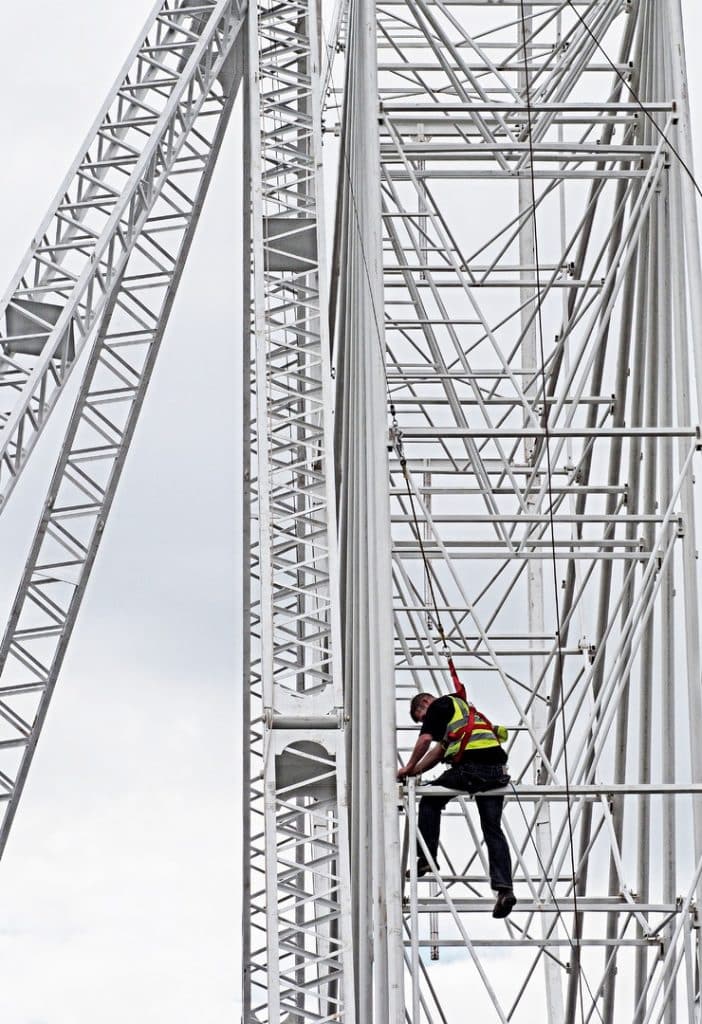
The Health and Safety Executive (HSE) has undertaken a prosecution after a worker loses part of hand. Laxtons Limited, a West Yorkshire manufacturing company, has been fined for safety breaches after a worker lost part of their hand in a textile machine.
On 24 March 2021, an employee of Laxtons was running a number of textile machines. When he opened a guard to check on a build-up of fibres, he reached in to remove material, losing part of his hand.
HSE investigation
An investigation by the Health and Safety Executive (HSE) found that one of the machines had a defective interlock device. This allowed the machine to continue running when the guard, which was located over a pair of in-running rollers and gears, was opened.
Laxtons Ltd of Shipley, West Yorkshire pleaded guilty to breaching Regulation 11 (1) of the Provision and Use of Work Equipment Regulations 1998. The company was fined £15,750 and ordered to pay £759 in costs at Leeds Magistrates’ Court.
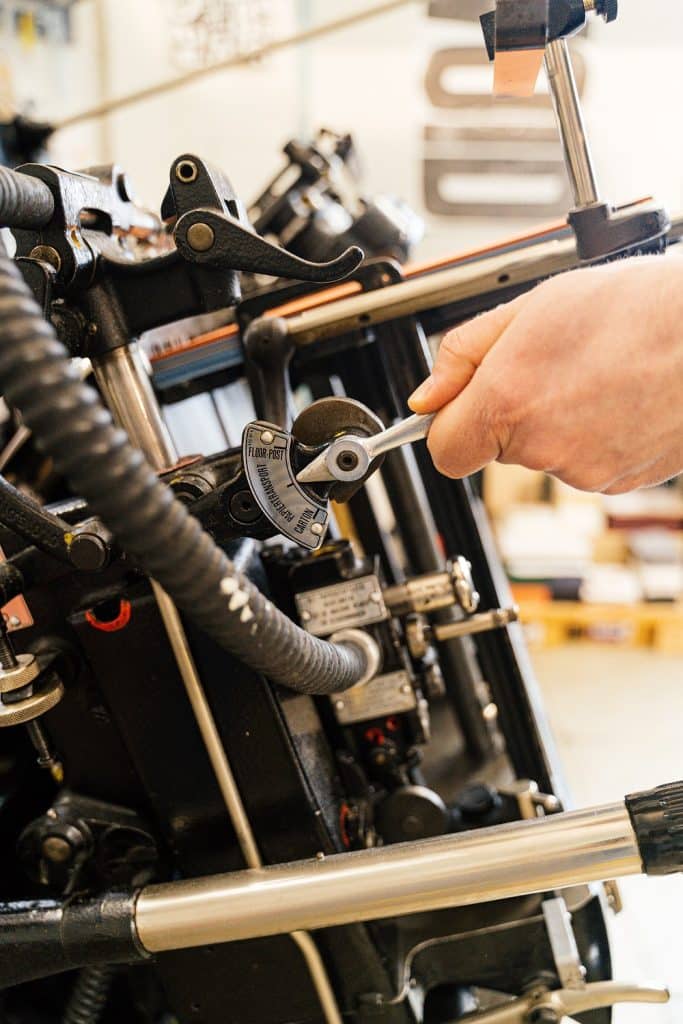
HSE inspector Julian Franklin said:
“Machine guarding should be in line with the appropriate standard, and regularly checked. This incident could so easily have been avoided by simply training staff in the safe and correct way of operating machinery, and regularly checking that safety devices are functioning.”
Work equipment
The Provision and Use of Work Equipment Regulations 1998, often abbreviated to PUWER, place duties on people and companies who own, operate or have control over work equipment. PUWER also places responsibilities on businesses and organisations whose employees use work equipment, whether owned by them or not. PUWER requires that equipment provided for use at work is:
- suitable for the intended use
- safe for use, maintained in a safe condition and inspected to ensure it is correctly installed and does not subsequently deteriorate
- used only by people who have received adequate information, instruction and training
- accompanied by suitable health and safety measures, such as protective devices and controls. These will normally include guarding, emergency stop devices, adequate means of isolation from sources of energy, clearly visible markings and warning devices
- used in accordance with specific requirements, for mobile work equipment and power presses
Some work equipment is subject to other health and safety legislation in addition to PUWER. For example, lifting equipment must also meet the requirements of the Lifting Operations and Lifting Equipment Regulations 1998 (LOLER), pressure equipment must meet the Pressure Systems Safety Regulations 2000 and personal protective equipment must meet the Personal Protective Equipment at Work Regulations 1992 (PPE).
If your business or organisation uses work equipment or is involved in providing work equipment for others to use (e.g. for hire), you must manage the risks from that equipment. This means you must:
- ensure the equipment is constructed or adapted to be suitable for the purpose it is used or provided for
- take account of the working conditions and health and safety risks in the workplace when selecting work equipment
- ensure work equipment is only used for suitable purposes
- ensure work equipment is maintained in an efficient state, in efficient working order and in good repair
- where a machine has a maintenance log, keep this up to date
- where the safety of work equipment depends on the manner of installation, it must be inspected after installation and before being put into use
- where work equipment is exposed to deteriorating conditions liable to result in dangerous situations, it must be inspected to ensure faults are detected in good time so the risk to health and safety is managed
- ensure that all people using, supervising or managing the use of work equipment are provided with adequate, clear health and safety information. This will include, where necessary, written instructions on its use and suitable equipment markings and warnings
- ensure that all people who use, supervise or manage the use of work equipment have received adequate training, which should include the correct use of the equipment, the risks that may arise from its use and the precautions to take
- where the use of work equipment is likely to involve a specific risk to health and safety (eg woodworking machinery), ensure that the use of the equipment is restricted to those people trained and appointed to use it
- take effective measures to prevent access to dangerous parts of machinery. This will normally be by fixed guarding but where routine access is needed, interlocked guards (sometimes with guard locking) may be needed to stop the movement of dangerous parts before a person can reach the danger zone. Where this is not possible, such as with the blade of a circular saw, it must be protected as far as possible and a safe system of work used. These protective measures should follow the hierarchy laid down in PUWER regulation 11(2) and the PUWER Approved Code of Practice and guidance or, for woodworking machinery, the Safe use of woodworking machinery: Approved Code of Practice and guidance
- take measures to prevent or control the risks to people from parts and substances falling or being ejected from work equipment, or the rupture or disintegration of work equipment
- ensure that the risks from very hot or cold temperatures from the work equipment or the material being processed or used are managed to prevent injury
- ensure that work equipment is provided with appropriately identified controls for starting, stopping and controlling it, and that these control systems are safe
- where appropriate, provide suitable means of isolating work equipment from all power sources (including electric, hydraulic, pneumatic and gravitational energy)
- ensure work equipment is stabilised by clamping or otherwise to avoid injury
- take appropriate measures to ensure maintenance operations on work equipment can be carried out safely while the equipment is shut down, without exposing people undertaking maintenance operations to risks to their health and safety
When providing new work equipment for use at work, you must ensure it conforms with the essential requirements of any relevant product supply law (for new machinery this means the Supply of Machinery (Safety) Regulations 2008). You must check it:
- has appropriate conformity marking and is labelled with the manufacturer’s details
- comes with a Declaration of Conformity
- is provided with instructions in English
- is free from obvious defects – and that it remains so during its working life
If you require advice on health and safety in your workplace, please contact one of the Ashbrooke team.