
Executive Summary
An environmental permit management system provides a structured framework of procedures to minimise pollution risks from permitted activities.
For regulated waste management, mining, or installation facilities, maintaining a written management system is a regulatory requirement.
This document outlines statutory compliance frameworks, risk assessments, site planning, and operational records to satisfy Environment Agency expectations.
Regulatory context and application requirements
1. Regulatory Context and Application Requirements – Environmental permit management system
The scope and submission requirements depend on the nature of the application.
Moreover, the complexity of site operations determines the system needs, including • Environmental permit management system.
Additionally, Standard Rules permits the – Environmental permit management system.
- Risk Identification: Specific operational risks are pre-determined within generic risk assessments.
- Submission Protocol: You do not need to submit the system documentation during the application phase.
- Deployment Deadline: The complete management system must be fully operational prior to commencing site activities.
- Regulatory Assessment: Documentation is typically evaluated during the pre-operation site inspection by an Environment Agency officer.
- Combustible Waste Provision: Standard rules applications involving combustible waste storage require the concurrent submission of a robust Fire Prevention Plan (FPP).
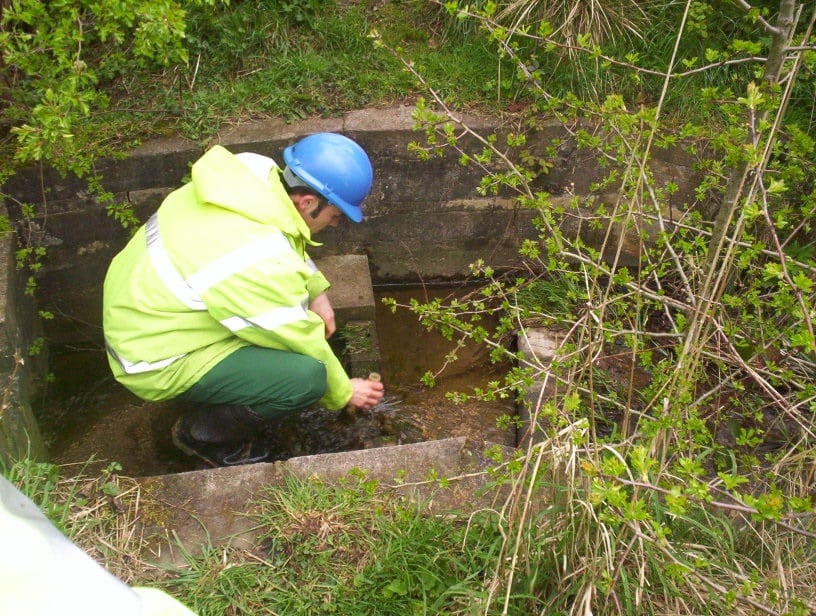
We manage bespoke permits through the environmental permit management system.
- Risk Identification: Operational hazards must be explicitly identified via a site-specific risk assessment.
- Submission Protocol: A comprehensive summary of the management system must be included as part of the formal application pack.
- Water & Groundwater Exemptions: Standalone water discharge or groundwater activity applications (Forms B6.5 or B6.6) do not require advance submission of the management system summary, but the system must be fully implemented prior to operation.
2. Certified Environmental Management System (EMS) Standards. Additionally, they align with the environmental permit management system to meet regulatory requirements.
For large-scale or high-risk facilities, such as industrial installations and hazardous waste processing operations, the Environment Agency favours these systems.
Moreover, they are part of the environmental permit management system and are built around recognised international frameworks.
Utilising an independently verified system enhances regulatory confidence and can reduce inspections under the OPRA methodology.
As part of the environmental permit management system, operators must state if their system is modelled on accredited standards. Additionally, they should indicate whether it is modelled on any listed standards.
- ISO 14001:2015 (Environmental Management Systems)
- BS EN ISO 14005:2019 (Phased Implementation of an EMS)
- EMAS Global (Eco-Management and Audit Scheme)
Note: Accredited certification (verified by UKAS) demonstrates robust governance, but it does not absolve the operator of liability.
However, this does not absolve the operator of liability for individual permit breaches within the environmental permit management system.
3. Site Infrastructure and Spatial Planning Requirements are addressed within the environmental permit management system.
Operators must compile scaled, detailed site plans showing where permits and exemptions take place within the environmental permit management system. Additionally, high-risk or complex sites frequently require multiple standalone drawings to fulfil regulatory requirements.
Core infrastructure components (Waste, Installations, and Mining) are central to the environmental permit management system.
Site plans for the management system must clearly mark the locations of the following assets.
Additionally, this relates to the environmental permit management system.
- Structural Assets: Buildings, treatment facilities, incinerators, silos, and perimeter security fencing.
- Hazardous Storage: Containment areas for oils, fuel tanks, chemical bunds, and raw waste stock.
- Emergency Equipment: Spill kits, absorbents, and critical emergency response machinery.
- Logistics Access: Dedicated entry and exit pathways for emergency service vehicles.
- Pollution Control Points: Environmental monitoring stations, sampling points, and inspection manholes.
- Effluent Infrastructure: Trade effluent or sewage treatment plants and final discharge outfalls.
- Historical Liabilities: Any parcels of land with known or suspected historical ground contamination.
Additionally, mapping of drainage and utilities supports the environmental permit management system for regulatory compliance.
Drainage networks require precise colour-coding and directional labelling. Additionally, implementing an environmental permit management system supports consistent labelling and compliance.
- Foul and Combined Drainage: Must be marked clearly in red.
- Surface Water Drainage: Must be marked clearly in blue.
- Flow Mechanics: Plans must display water flow direction, discharge connection points (to sewer, soak-away, or watercourse), manhole covers, interceptor tanks, and isolating stop/diverter valves.
- Utility Routing: Main inlets and distribution paths for mains water, gas, and electricity must be charted, with explicit positioning of water stop taps and utility isolation switches.
Additionally, standalone water discharge and groundwater activities are managed under the environmental permit management system.
Furthermore, for point-source water and groundwater authorisations, the site plan must isolate within the environmental permit management system.
- The wastewater treatment infrastructure.
- Statutory sample collection and monitoring points.
- Mitigation infrastructure and environmental emergency equipment.
- The defined surface water outlet or groundwater infiltration system.
- The designated field boundaries for land-spreading activities (where applicable).
4. Operational Control Plans and Specific Sub-Systems for the environmental permit management system.
A compliant management system breaks down site operations into distinct phases.
Additionally, start-up, normal operation, and shut-down are the phases for the environmental permit management system.
Operators must identify the environmental risks associated with each sub-process and outline specific mitigation actions.
Waste storage plans are integral to the environmental permit management system and ensure safe, compliant operations.
Waste facility operators must document an explicit waste storage strategy detailing.
In addition, this record should be maintained in the environmental permit management system.
- Maximum storage duration thresholds for every distinct waste streams.
- Control measures to prevent emissions during extended storage.
- Absolute volume limits and maximum pile heights for all stored materials.
- Waste identification procedures and strict segregation protocols for incompatible materials.
- Pre-acceptance and acceptance procedures to prevent the receipt of unpermitted waste.
The environmental permit management system manages Fire Prevention Plans (FPP).
Facilities storing combustible waste must submit a standalone, robust Fire Prevention Plan detailing prevention, detection, containment, and mitigation measures.
Within the environmental permit management system, the Environment Agency assesses these plans stringently against hourly review rates.
Consequently, failing to secure approval on initial submission significantly elevates regulatory costs.
Site Condition Reports (SCR) relate to the environmental permit management system.
For installations, waste operations, and mining permits, a Site Condition Report must be maintained throughout the lifecycle of the permit. This document logs historical spills, baseline land/groundwater data, and evidence verifying effectiveness in the environmental permit management system. It serves as the primary legal benchmark when applying to surrender a permit.
Standalone Environmental Management Documents cover the environmental permit management system and its related compliance.
Depending on site risks, the Environment Agency will require separate, standalone document submissions for individual environmental vectors.
Consequently, this enables the environmental permit management system to support distinct internal specialist reviews.
- Odour Management Plan (OMP)
- Emissions Management Plan (EMP)
- Noise and Vibration Management Plan (NVMP)
- Pests Management Plan (PMP)
5. Additionally, Contingency, Emergency, and Climate Change Resilience within the environmental permit management system.
Accident prevention and risk mitigation are essential in the environmental permit management system.
Operators must maintain emergency contingency frameworks that assess the likelihood and consequences of unexpected disruptions.
Additionally, the system must outline proactive preventative actions and emergency response procedures for environmental permit management system.
- Core equipment breakdowns or sudden utility failures.
- Enforced or emergency facility shutdowns.
- Vandalism, security breaches, and deliberate damage.
- Fires, flash flooding, and severe weather anomalies.
Emergency documentation must include formal accident logging forms, emergency contact directories, and a transparent review schedule. Additionally, operators should actively engage local emergency services and verify flood warning registrations within the environmental permit management system.
Cyber security protocols are essential and an environmental permit management system can support compliance and business continuity.
Modern waste infrastructure and environmental monitoring systems rely heavily on automated computer control systems. Additionally, operators must integrate risk controls aligned with NCSC guidelines to protect software in the environmental permit management system.
Climate Change Adaptation Strategy supports the environmental permit management system to enhance resilience.
In accordance with UK climate projections, operators must evaluate the long-term impact of severe weather shifts on permit compliance. Additionally, these shifts are relevant to the environmental permit management system.
- Short-to-Medium Term: Operational processes must show resilience against a 2°C global mean temperature rise by 2050.
- Long-Term Asset Planning: For long-lifecycle facilities, operators must evaluate potential risks up to a 4°C temperature rise by 2100.
- Methodology: Risk assessments should leverage ISO 14090:2019 standards and the Environment Agency’s industry sector examples for climate adaptation.
6. Corporate Governance, Training, and Audits
Moreover, staff competence and training infrastructure supports operational effectiveness in the environmental permit management system.
For the environmental permit management system, compliance with the permit requires adequate resource allocation and clearly defined operational roles. Additionally, operators must establish formal procedures.
- Assign and document individual technical competence responsibilities.
- Verify external contractor credentials and internal staff qualifications.
- Maintain central registries of regulatory certifications, safety inductions, and refresher training.
Public Information Provisions outline the environmental permit management system.
Waste and installation permits carry a statutory obligation.
Maintain a clearly visible, weatherproof notice board at the site entrance as part of the environmental permit management system.
The board must display:
- The registered permit holder’s corporate name.
- A designated 24/7 emergency contact name and phone number.
- Explicit confirmation that the facility is regulated by the Environment Agency.
- The unique environmental permit reference number.
- Statutory Environment Agency contact numbers: General Enquiries (03708 506506) and the Incident Hotline (0800 807060).
7. Record keeping, auditing, and system reviews support environmental permit management system.
This statutory record retention checklist applies to the environmental permit management system.
Operators must maintain structured archives documenting the active execution of the permit management system. Critical records include:
- Current and historical environmental permits and legal variations.
- Comprehensive risk assessments and secondary management plans (e.g., Mops).
- Detailed calibration records for environmental monitoring and sampling equipment.
- Logs of all internal compliance checks, audit findings, and remedial actions.
- Formal complaints ledgers detailing root-cause investigations and resolution outcomes.
Waste Transfer Log Obligations
For every incoming delivery of waste material, operators must capture and preserve the following metrics:
- Absolute quantity (verified weight or volume).
- The statutory six-digit List of Waste (LoW) Code.
- Origin location and complete corporate identity of the waste producer.
- Date and time of arrival on site.
- The original generation date (mandatory for odorous or putrescible waste streams).
- Detailed containment logs for any rejected or quarantined materials.
Mandatory System Review Triggers
A permit management system is a dynamic document. It must be updated immediately upon the occurrence of any of the following events:
- Technical modifications to onsite machinery, infrastructure, or operational capacities.
- The submission of an application to vary the existing environmental permit.
- Post-incident reviews following a site accident, permit breach, or formal complaint.
- The introduction of new environmental controls to mitigate an emerging risk.
8. Site Closure and Permit Surrender
Environmental permits cannot be abandoned unilaterally when operations cease. Legal obligations remain active until the Environment Agency formally approves a Permit Surrender Application.
For landfills and Category A mining waste facilities, a transitional period of site closure applies. During this phase, operators must maintain active emissions monitoring regimes and submit final site closure updates via the Site Condition Report, proving conclusively that the land and groundwater have been returned to a satisfactory state.
Technical Support and Consultancy
Developing, implementing, and defending a regulatory management system requires specialist technical oversight. For bespoke assistance with permit applications, Fire Prevention Plans, or standalone environmental management documents, contact our regulatory advisory team for professional consultation.