
Urgent need to work with nature

An Environment Agency report highlights an urgent need to work with nature and lays bare the scale of change needed to halt England’s biodiversity and climate crisis.

Published in July, the report sets out how significant changes will be needed to how land is used in England, with the need for significant landscape scale interventions and the use of nature-based solutions to help wildlife recover, and for humans to mitigate and adapt to the effects of climate change.

The ‘Working with Nature’ report compiled by Environment Agency scientists sets out the global challenges facing the basics for life on Earth – clean water, climate regulation and food. It describes the potential loss of complex natural ecosystems that provide such essentials as an existential risk to human survival.

Referencing Rachel Carson’s 1962 book Silent Spring, considered by many to be the most important piece of environmental writing of the 20th century, Environment Agency chief executive, Sir James Bevan, spoke about the ‘silent spring’ that awaits humanity unless action is taken by businesses, government and individuals to prevent further damage and rebuild the natural environment.  The report was unveiled at an event hosted by the Green Alliance, ahead of the COP15 Biodiversity Conference taking place later this year.  Internationally, the G7 leaders have committed to the global mission to halt and reverse biodiversity loss by 2030. The COP 15 meeting of the UN Convention on Biological Diversity (CBD) in 2022 will review the progress towards previously agreed Biodiversity targets.

“The biodiversity crisis joins the climate crisis as an existential risk to our survival, but as this report sets out the solution is not to retreat but to work together to build a nature-positive response.

Nature provides the basics for life – clean water, clean air and food. With major pressures on land use across England, nature-based solutions must be a major part in our response to protect these essentials whilst rebuilding our natural world.”

Sir James Bevan, Environment Agency Chief Executive
urgent need to work

England is one of the most nature-depleted countries in the world due to its long history of industrialisation and land use changes over millennia. There is an urgent need to work with nature as large areas of habitats have been lost with 99.7% of fens, 97% of species-rich grasslands, 80% of lowland heathlands, up to 70% of ancient woodlands and up to 85% of saltmarshes destroyed or degraded.

The impacts on species have also been severe, with a quarter of mammals in England and almost a fifth of UK plants threatened with extinction.

Nature in England has also been impacted by pressures on land use. The report sets out the impact of the last 50 years of agricultural production and points to the likelihood of a need of further intensification and increased yields from agricultural land. It also charts the impacts of urbanisation, forestry and the need for large areas of land for climate change mitigation.

To address the major declines in biodiversity that will only be accelerated by a changing climate, the report sets out a need for more land to be dedicated to nature conservation to act as refuges for nature and to mitigate against climate change – such as coastal wetlands to combat flood risks.  However, with such demand on land, it will need to provide multiple benefits to people and nature.

The Environment Agency has a leading role to play in restoring or recreating new wildlife-rich habitat in England. Recent projects include peat restoration at Great Fen, Cambridgeshire, which will save 325,000 tonnes of CO2 from being released each year while restoring habitats for threatened fenland species and protecting surrounding towns, villages and farmland from the risk of flooding after heavy rainfall.

The report identifies such nature-based solutions as a crucial tool in restoring nature and achieving multiple other benefits. By working with nature, including tree planting, peat restoration, species reintroductions and natural flood management, it suggests there are opportunities to restore biodiversity, whilst providing other benefits such as carbon sequestration, flood protection and clean and plentiful water.

The report also says action will also be required to address the levels of consumption in wealthy countries, which contribute to the loss of biodiversity, and that sustained effort will be required from many people and organisations at forums like the COP 15 meeting of the UN Convention on Biological Diversity to tackle the effects of global consumption, production and supply chains.
If you require advice on environmental issues, please contact one of the Ashbrooke team.
River habitat survey manual

The Environment Agency has re-released its river habitat survey manual originally published in2003 and made it available on their website as a free download.

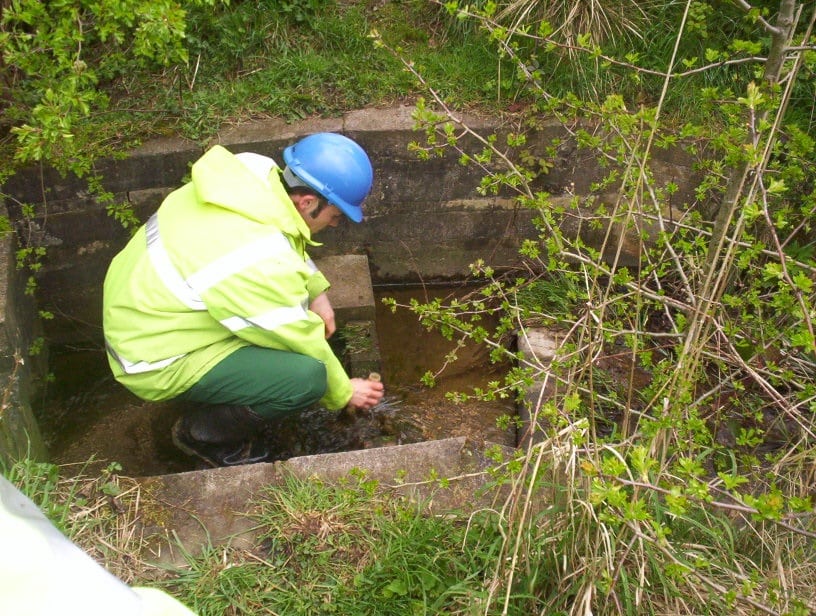
River Habitat Survey (RHS) is a method designed to characterise and assess, in broad terms, the physical structure of freshwater streams and rivers. The field survey element
does not require specialist geomorphological or botanical expertise, but recognition of vegetation types and an understanding of basic geomorphological principles and processes are needed.

RHS is carried out along a standard 500m length of river channel. Observations are made
at ten equally spaced spot-checks along the channel, whilst information on valley form and land-use in the river corridor provides additional context.

The underlying need for any observational method such as RHS is confidence in the survey data. This means consistent recording of features by competent, well-trained, and accredited surveyors as well as checks on subsequent data-entry onto the computer database.

river habitat survey
River habitat survey

The field survey has been designed, tested and improved as a result of extensive use on rivers in the UK since 1994. The 2003 version represents the first major overhaul of the form design, revision of some component elements, and updating of the guidance manual, since 1997. The major differences between the 1997 and 2003 versions are summarised in Appendix 7 of the guidance.

Surveyor accreditation is needed for data to be entered onto the RHS database. This means surveyors attending a training course using the 2003 version, and passing an accreditation test.

RHS has also been tested in other European countries such as Finland, France, Austria, Portugal (Madeira), Italy and Slovenia with a view to adapting the survey for local conditions. Cross-comparison between RHS and other methods for surveying river hydromorphology in Europe has also been carried out,4 with a view to producing standard guidance on techniques for assessing the physical characteristics of watercourses.

RHS also helps to provide information on river structure, vegetation character and land use required for SERCON (System for Evaluating Rivers for Conservation), an assessment system that has scoring systems for several attributes in relation to determining the nature conservation value of rivers.

Guidance is provided on the fieldwork survey element of the core RHS method only. It does not cover map-based information gathering or additional modules such as the one being developed for gathering specialist geomorphological information.

It is imperative that all surveys are conducted in conditions which are safe for surveyors. A health and safety assessment is an integral part of the survey and the form must be completed before embarking on the survey, and attached with the completed survey forms.

An online copy of the manual can be found here. If you require environmental advice please contact one of the Ashbrooke team.
Agency downgrading pollution prosecutions

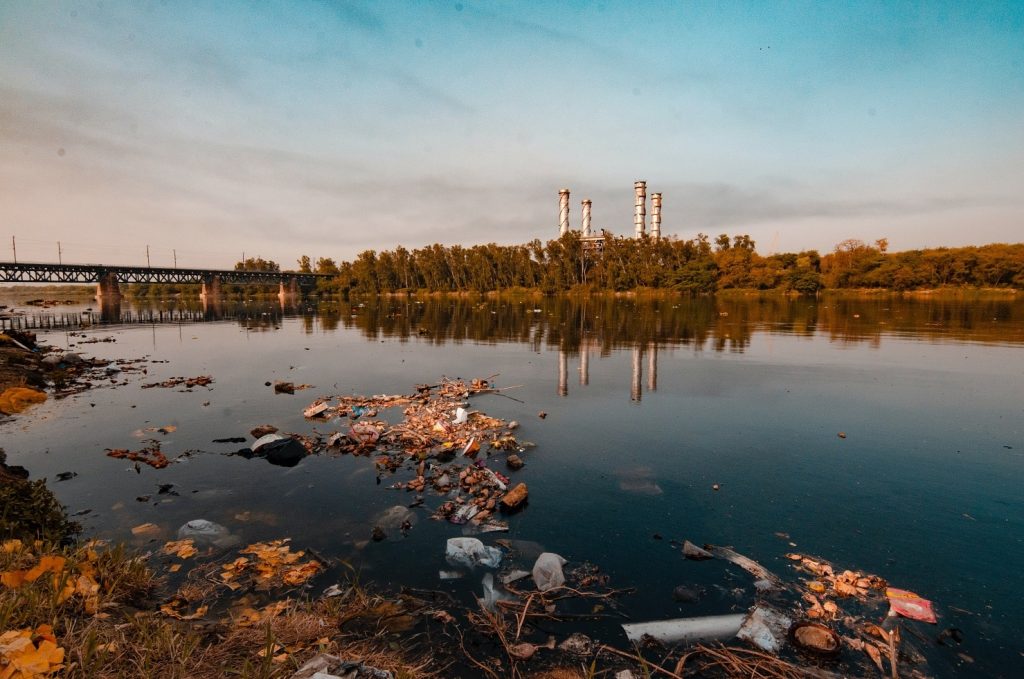
The Guardian has reported that England’s Environment Agency has downgraded 93% of pollution prosecutions for serious incidents over four years, despite recommendations from frontline staff for the perpetrators to face the highest sanction according to a leaked report seen by the paper’s reporters.

Agency downgrading pollution prosecutions
93% of serious pollution prosecutions over 4 years may have been downgraded (stock image)

The EA receives over 100,000 incident reports a year, every one of which is recorded and assessed.  Of 495 serious pollution investigations which were recommended for prosecution only 35 cases were taken forward to prosecution.  A spokesperson for the Environment Agency said the regulator does not comment on leaked documents. However, they said it does:

“consider, record and prioritise all incidents – with all breaches and offences reported to us undergoing a robust initial assessment.  We have a wide range of enforcement options, including civil sanctions, enforcement undertakings, and in some circumstances, advice and guidance. Where prosecution is appropriate, we pursue robustly and in accordance with the Code for Crown Prosecutors, which sets out that the evidence must provide a realistic prospect of securing a conviction and that a prosecution is in the public interest.  Over 90% of our prosecutions are successful, and recent outcomes such as the £90m fine of Southern Water Services show a clear and welcome trend towards much bigger fines against offenders in appropriate cases.”

If you require environmental advice, please contact one of the Ashbrooke team.

Prosecutions for angling offences

The Environment Agency has prosecuted two men for angling offences. Wayne Knight of Cosby, Leicester, was fined £220, ordered to pay costs of £135 plus a victim’s surcharge of £34.  Knight admitted fishing without a licence at Mill on the Soar, Sutton Elms, on 1 February 2022.

Lester McManus of Leicester, was fined £40, ordered to pay costs of £135 plus a victim’s surcharge of £34. McManus admitted fishing for freshwater fish during the close season at Aylestone on the River Soar on 24 March 2022.

Angling offences
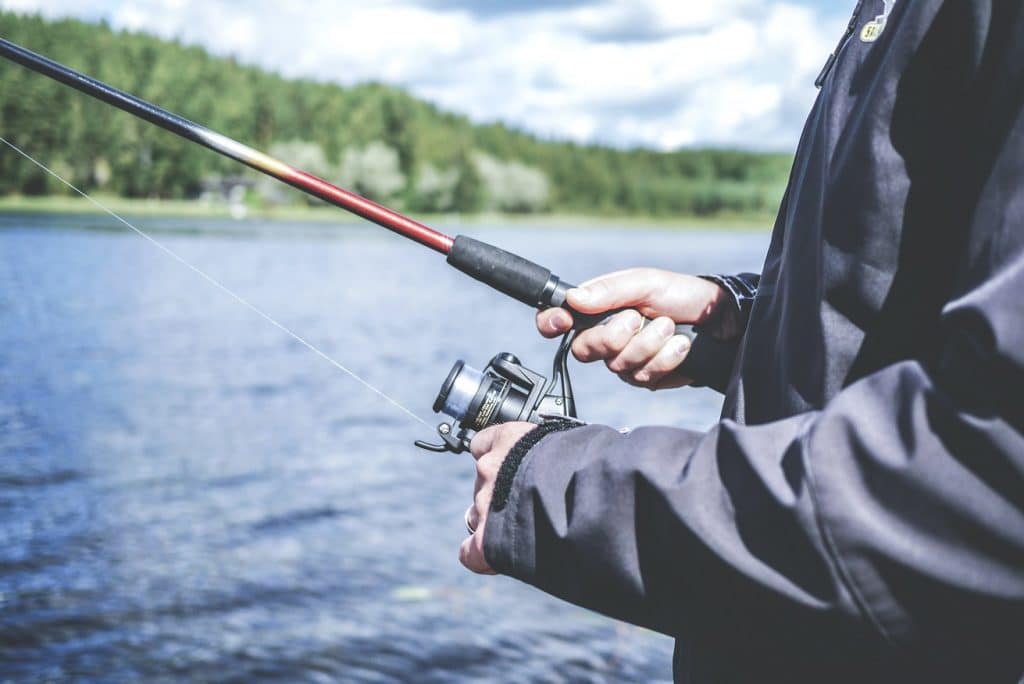
Environment Agency prosecutions for angling offences (stock image)

A spokesperson for the Environment Agency said:

“These cases show we pursue offenders through the courts and won’t hesitate to take enforcement action where anglers break rules.”

Anyone found fishing illegally may face prosecution and a fine of up to £2,500.

Any angler aged 13 or over, fishing on a river, canal or still water needs a licence. The money raised through the sales of rod licences is re-invested back into the sport and illegal fishing undermines the Environment Agency’s efforts to make fishing sustainable.

A 1-day licence costs from just £6 and an annual licence costs from just £30 (concessions available). Junior licences are free for 13 – 16-year-olds.

Licences are available online or by calling the Environment Agency on 0344 800 5386 between 8am and 6pm, Monday to Friday. The Environment Agency carries out enforcement work all year round and is supported by partners including the police and the Angling Trust. Fisheries enforcement work is intelligence-led, targeting known hot-spots and where illegal fishing is reported.

If you require advice on environmental issues, please contact one of the Ashbrooke team.