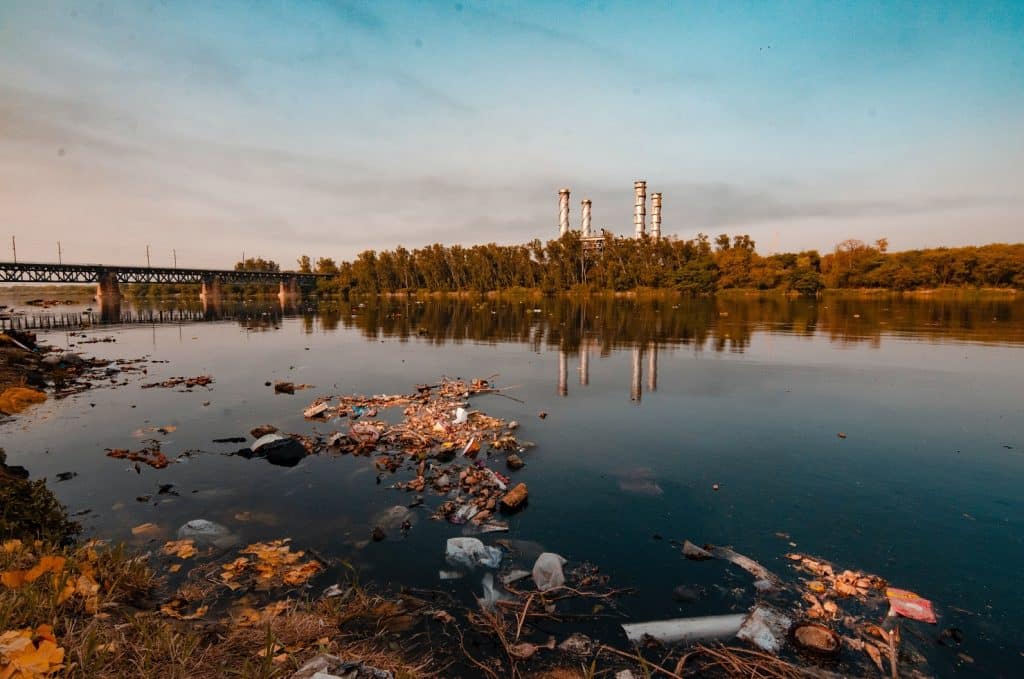
Environmental permitting is a crucial aspect of environmental governance in England, ensuring that activities which could potentially impact the environment are regulated and monitored. The process is overseen by the Environment Agency and local authorities, depending on the scale and nature of the operation.
Permits are required for a wide range of activities, from industrial installations and waste operations to water discharge and groundwater activities. Environmental permitting aims to prevent pollution of the air, water, and land, manage flood risks, and protect land drainage. Operating without a permit when one is required is illegal and can result in significant penalties.
For businesses and individuals looking to understand whether they need an environmental permit, the UK government provides comprehensive guidance. This includes detailed information on what activities require a permit, how to apply, and the responsibilities of permit holders. The guidance is designed to help navigate the complexities of environmental regulation and ensure compliance with the law.
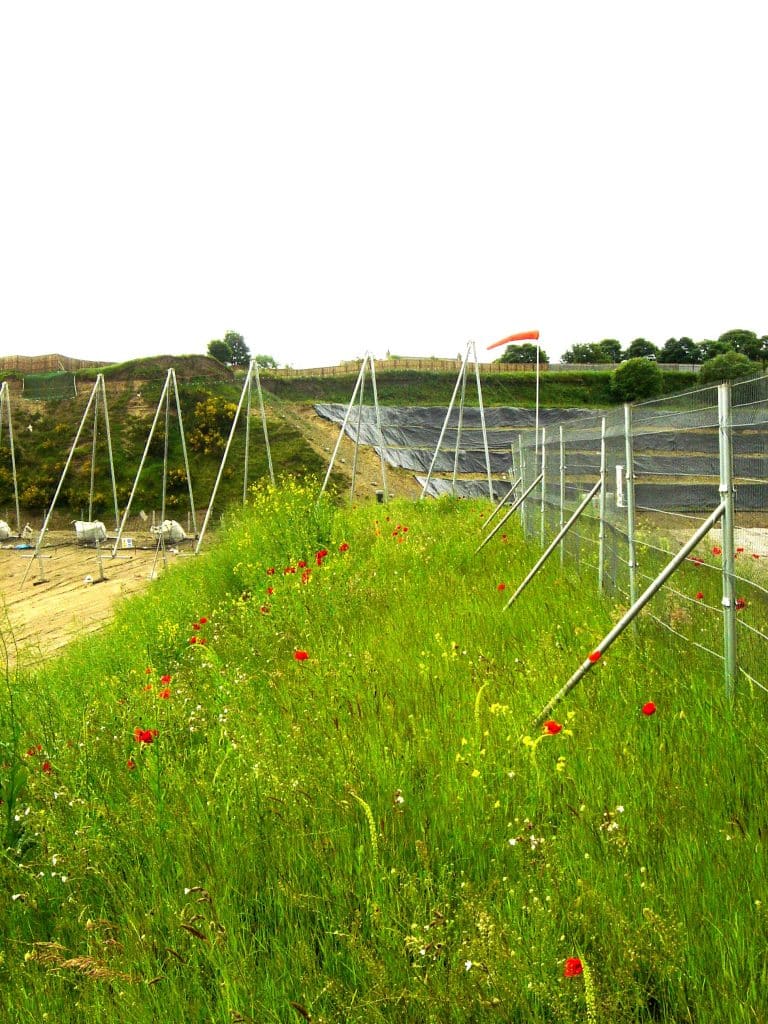
The environmental permitting process reflects the UK’s commitment to maintaining high environmental standards. It is a key part of the country’s efforts to reduce pollution, protect natural habitats, and promote sustainable development. For anyone involved in activities that could affect the environment, understanding and adhering to the permitting process is not just a legal obligation but also a step towards a more sustainable future.
For more detailed information on environmental permitting in England, resources are available on the Environment Agency’s official website, including core guidance documents and access to the public register for environmental information. These resources provide valuable insights into the regulatory framework and practical advice for compliance. Whether you are operating a large industrial facility or a small business, staying informed about environmental permits is essential for legal and environmental stewardship.
Steps to Environmental Permitting
Applying for an environmental permit in England is a structured process designed to ensure that businesses and activities comply with environmental regulations. Here’s a step-by-step guide to help you understand how to apply for an environmental permit:
- Determine the Type of Permit Required: First check if your activity is covered by a regulatory position statement (RPS), which may not require a permit if certain conditions are met. If your activity is exempt, you must still register your exemption with the Environment Agency. For non-exempt activities, determine whether you need a standard rules permit or a bespoke permit tailored to your specific business activities.
- Pre-Application Advice: Utilise the Environment Agency’s pre-application advice service for basic guidance on the type of permit needed, application forms, and the correct application charge. For more complex requests, consider the enhanced (paid-for) advice service which can provide in-depth assistance on various aspects of the application process.
- Prepare Your Application: Gather all necessary information and complete the required risk assessments. Develop a written management system that outlines how you will comply with the permit conditions.
- Submit Your Application: Apply online for most standard rules environmental permits. Ensure your site meets the standard rules location criteria before submitting your application. For bespoke permits, follow the specific guidance provided by the Environment Agency to ensure your application addresses all necessary details.
- Consultation Process: Be prepared for consultations on your permit application, which may involve public engagement or assessments of the potential impact on heritage and nature conservation sites.
- After Application Submission: Once submitted, your application will be reviewed by the Environment Agency. This process may include inspections and further information requests.
- Receiving Your Permit: If your application is successful, you will receive your permit, which will outline the conditions you must adhere to. It is crucial to understand and comply with these conditions to operate legally.
- Ongoing Compliance: Adhere to the permit conditions and be aware of any reporting or monitoring requirements. Failure to comply can result in enforcement action or revocation of the permit.
- Permit Changes or Transfers: If you need to change, transfer, or cancel your permit, follow the Environment Agency’s procedures to ensure continued compliance.
By following these steps and utilising the resources provided by the Environment Agency, applicants can navigate the environmental permitting process with greater ease and confidence. It is essential to approach this process with thorough preparation and a commitment to environmental stewardship.
Common Mistakes in Applying for an Environmental Permit
When applying for an environmental permit in England, it’s crucial to be aware of common pitfalls that can complicate or delay the process. Here are some mistakes to avoid:
- Incomplete Applications: Submitting an application without all the necessary information can lead to delays. Ensure that every section is completed accurately.
- Incorrect Permit Category: Applying for the wrong type of permit can result in rejection. Verify whether you need a standard rules permit or a bespoke permit based on your activity.
- Overlooking Pre-Application Advice: Not taking advantage of the Environment Agency’s pre-application advice can lead to errors. This service can provide valuable guidance on the type of permit needed and the application process.
- Poor Risk Assessments: Failing to conduct thorough risk assessments can result in an inadequate understanding of the potential environmental impacts, which is critical for the application.
- Inadequate Management Systems: Not having a robust written management system that outlines how you will comply with permit conditions is a common oversight. This system is essential for demonstrating your commitment to environmental protection.
- Delay in Responding to Requests: If the Environment Agency requests additional information, respond promptly. Delays can extend the processing time of your application.
- Non-Compliance with Conditions: Not adhering to the conditions of your permit once granted can lead to enforcement action. It’s important to understand and comply with all conditions to avoid penalties.
- Failure to Update Permit Details: If there are changes to your business that affect your permit, such as a change in processes or ownership, you must update your permit details accordingly.
- Neglecting Public Consultation: Ignoring the consultation process can lead to opposition from the public or other stakeholders, which can impact the outcome of your application.
- Lack of Preparation for Inspections: Unpreparedness for inspections by the Environment Agency can reveal non-compliance issues. Ensure your site is always compliant and ready for unannounced visits.
By avoiding these common mistakes and carefully preparing your application, you can streamline the permitting process and contribute to the protection of England’s environment. Remember, the key to a successful application is attention to detail, thorough preparation, and adherence to regulatory requirements.
How to ensure compliance with your environmental permit
Ensuring ongoing compliance with environmental permit conditions is a critical aspect of operating responsibly and legally in England. Here are some strategies to help maintain compliance:
Develop a Robust Management System
Your management system should detail how you will meet your permit conditions, including the management of risks and the implementation of pollution prevention measures. It should be a living document, regularly reviewed and updated to reflect any changes in operations or legislation.

Assign Responsibility
Clearly assign compliance tasks to specific team members. This ensures accountability and that everyone knows their role in maintaining compliance. Regular training and updates can keep the team informed and competent.
Conduct Regular Audits and Inspections
Self-audits and inspections can help identify potential compliance issues before they become problematic. Use these to check that operations align with permit conditions and to verify that control measures are effective.
Maintain Accurate Records
Keep detailed records of all activities related to your permit conditions. This includes monitoring data, training logs, incident reports, and any changes to operations or equipment that may affect compliance.
Stay Informed on Legal Updates
Environmental regulations can change. Stay informed by reviewing legal updates, participating in industry forums, and consulting with environmental professionals. This proactive approach can help you anticipate and adapt to new requirements.
Utilise Technology for Monitoring
Implementing environmental management software can help track compliance metrics, manage documentation, and alert you to upcoming deadlines or required reporting.
Engage with Regulators
Maintain open communication with the Environment Agency. They can provide guidance and help you understand your obligations. Engaging with regulators can also demonstrate your commitment to compliance.
Prepare for Environment Agency Inspections
The Environment Agency conducts assessments and inspections to ensure compliance. Be prepared for both announced and unannounced visits by maintaining your site in accordance with permit conditions at all times.
Respond Promptly to Non-Compliance
If you identify any non-compliance issues, address them immediately. Document your actions and notify the Environment Agency if required. Prompt action can mitigate environmental impacts and may reduce potential penalties.
Review and Update Emergency Plans
Have an up-to-date emergency plan for dealing with incidents that could impact the environment. Regularly test the plan and train staff to ensure an effective response if an incident occurs.
By implementing these strategies, businesses can not only comply with their environmental permit conditions but also contribute positively to environmental protection and sustainability. It’s not just about adhering to the law; it’s about being a responsible part of the community and protecting the natural resources that we all rely on.
Penalties for failing to comply with your environmental permit
Non-compliance with environmental permit conditions in England can lead to serious consequences, reflecting the importance of adhering to regulations designed to protect the environment. The environment Agency, responsible for enforcing these laws, aims to ensure compliance and address any illegal activities that could harm the environment or public health.
Here are some of the potential consequences of non-compliance:
Enforcement Notices
The Environment Agency may issue enforcement notices requiring the permit holder to take specific actions to come back into compliance within a set timeframe.
Civil Sanctions
In cases of non-compliance, civil sanctions such as fixed or variable monetary penalties, compliance notices, restoration notices, stop notices, and enforcement undertakings may be imposed.
Criminal Prosecution
Serious breaches of permit conditions could lead to criminal prosecution, resulting in fines or imprisonment. This is reserved for the most severe cases of non-compliance.
Restoration or Remediation
The permit holder may be required to restore or remediate the environmental harm caused by the non-compliance, which can be costly and time-consuming.
Reputational Damage
Non-compliance can lead to negative publicity, affecting the public’s perception of the business and potentially leading to a loss of customer trust and revenue.
Operational Restrictions
The Environment Agency may impose restrictions on operations until compliance is achieved, which could limit business activities and impact profitability.
Revocation of Permit
In extreme cases, non-compliance can result in the revocation of the environmental permit, effectively ceasing the legal operation of the activity or facility.
Increased Scrutiny
Businesses that have been non-compliant may face increased scrutiny and more frequent inspections from the Environment Agency, adding to operational burdens.
Legal Costs
Non-compliance can lead to legal disputes and challenges, resulting in significant legal costs for the business involved.
Impact on Investment
Investors are increasingly considering environmental, social, and governance (ESG) factors. Non-compliance can make it difficult to secure investment or increase the cost of capital.
The Environment Agency’s enforcement and sanctions policy is designed to be outcome-focused, aiming to stop illegal activities, restore environmental harm, bring activities under regulatory control, and deter future offending. It is crucial for businesses to understand their environmental responsibilities and strive for full compliance to avoid these consequences and contribute positively to environmental protection and sustainability.
How to improve your environmental performance
In the pursuit of environmental excellence, going beyond mere compliance with regulations is a commendable goal that can yield significant benefits for businesses, society, and the planet. In England, where environmental stewardship is increasingly valued, companies have the opportunity to lead the way in sustainability and innovation. Here’s a comprehensive guide on how businesses can enhance their environmental performance beyond the basic requirements.
Embrace a Sustainability Mindset
Adopting a sustainability mindset involves integrating environmental considerations into every aspect of your business operations. This means going beyond the minimum standards set by regulations and seeking ways to reduce your environmental footprint. It’s about making sustainability a core value and driving force behind your business decisions.
Set Ambitious Environmental Targets
Setting ambitious environmental targets can motivate your organization to strive for greater improvements. These targets should be specific, measurable, achievable, relevant, and time-bound (SMART), pushing the boundaries of what is required by law. They should also align with broader environmental goals, such as the UK’s commitment to net-zero emissions by 2050.
Implement Best Practices and Innovations
Research and adopt industry best practices and innovations that can reduce environmental impacts. This could include energy-efficient technologies, waste reduction techniques, or sustainable supply chain initiatives. Collaborating with other businesses and organizations can also lead to shared insights and advancements.
Engage in Environmental Reporting and Disclosure
Transparently reporting on your environmental performance can build trust with stakeholders and demonstrate your commitment to sustainability. Consider participating in voluntary reporting frameworks, such as the Carbon Disclosure Project (CDP) or the Global Reporting Initiative (GRI), to showcase your environmental achievements and challenges.
Foster a Culture of Continuous Improvement
A culture of continuous improvement encourages employees at all levels to contribute ideas and take action to enhance environmental performance. Regular training, employee engagement initiatives, and recognition programs can support this culture, driving innovation and commitment from within.
Participate in Environmental Certification Programs
Environmental certification programs, like ISO 14001, provide a structured approach to managing environmental impacts. Certification can help businesses identify areas for improvement, streamline operations, and gain a competitive edge in the marketplace.
Invest in Community and Ecosystem Projects
Investing in community and ecosystem projects can enhance your company’s reputation and contribute to local environmental conservation efforts. Projects could include habitat restoration, biodiversity initiatives, or educational programs that raise environmental awareness.
Advocate for Stronger Environmental Policies
Businesses can play a crucial role in advocating for stronger environmental policies and regulations. By engaging with policymakers and industry groups, companies can help shape a regulatory environment that supports sustainability and innovation.
Monitor and Evaluate Performance Regularly
Regular monitoring and evaluation of environmental performance ensure that businesses can track progress, identify areas for improvement, and make data-driven decisions. Utilizing environmental management systems and software can aid in this process.
Seek External Recognition and Awards
Applying for external recognition and awards can validate your environmental efforts and inspire further action. Awards can also raise your profile as a leader in environmental performance, attracting customers, investors, and talent.
By implementing these strategies, businesses in England can not only meet but exceed environmental regulations, setting a standard for others to follow. Improving environmental performance is an ongoing journey that requires dedication, innovation, and a proactive approach. The rewards, however, are substantial, including cost savings, enhanced brand value, and a positive impact on the planet.
Some examples of excellence in environmental performance
Showcasing Excellence in Environmental Performance: Inspirational Companies Leading the Way
In the realm of environmental stewardship, certain companies stand out for their exceptional commitment to sustainability and their innovative approaches to reducing their ecological footprint. These organizations not only comply with environmental regulations but also go above and beyond to ensure that their operations contribute positively to the planet. Here are some exemplary companies that have made significant strides in environmental performance:
The BT Group
Headquartered in London, The BT Group is a communications services giant with a clear purpose: to use the power of technology to create a better world. The company has accelerated its rollout of full-fibre networks, aiming to reach 25 million premises by the end of 2026, thus fuelling economic recovery and enhancing connectivity. With EE, the UK’s fastest mobile network under its wing, The BT Group is committed to providing reliable and swift connections, all while maintaining a focus on environmental sustainability.
Reckitt
Reckitt, the British multinational consumer goods company, is on a transformative journey towards sustainable growth. With a portfolio of well-known brands like Durex, Dettol, and Gaviscon, Reckitt designs its products with the highest quality hygiene and wellness in mind. The company’s global community of over 43,000 individuals is dedicated to having a positive impact on communities worldwide, promoting a healthier planet and fostering a fairer society.
Barclays
As a leading British universal bank, Barclays has a rich history spanning over 325 years. The bank operates across more than 40 countries and employs approximately 83,500 people. Barclays is committed to sustainability, evident in its consumer banking and payments operations, as well as its full-service global corporate and investment banking. The company supports service companies that provide technology, operations, and functional services across the Group, all while upholding rigorous sustainability standards.
Schneider Electric
Schneider Electric, the European multinational energy and automation provider, has been recognized for its sustained commitment to environmental, social, and governance issues. The company’s strategy revolves around building a sustainable business that focuses on digital and renewable disruptors. Schneider Electric is actively working to reduce CO2 emissions and slow the rise of Earth’s temperature by focusing on protecting the planet and ensuring greater access to energy.
Ørsted
The Danish power company Ørsted has pledged to fight climate change through renewable energy. Rated as one of the most sustainable companies globally, Ørsted has been recognized as the most sustainable energy company in the world for three consecutive years. The company’s commitment to renewable energy is a testament to its dedication to combating climate change and leading the industry towards a greener future.
Tesla
Tesla is renowned for producing zero-emission electric vehicles and powering its facilities using solar technology. The company’s mission to accelerate the world’s transition to sustainable energy is reflected in its innovative electric cars and renewable energy products.
IKEA
IKEA runs nearly 100% of its operations on renewable energy. The global furniture retailer is known for its commitment to sustainability, from sourcing sustainable raw materials to minimizing packaging waste with recyclable alternatives.
Patagonia
Patagonia, the outdoor clothing and gear company, is deeply engaged in environmental activism. It sources sustainable raw materials, limits packaging waste, repairs customer products for reuse, and actively participates in environmental conservation efforts.
These companies serve as beacons of environmental responsibility, demonstrating that it is possible to achieve commercial success while prioritizing the health of our planet. They inspire other businesses to follow suit, proving that sustainable practices can lead to a more resilient and prosperous future for all.
Small business can also play a part
Emulating Sustainability Practices: A Guide for Small Businesses
Small businesses play a vital role in the global economy and have the unique ability to implement and influence sustainable practices within their communities. While they may not have the same resources as larger corporations, small businesses can still make a significant impact on environmental stewardship. Here’s a guide on how small businesses can emulate the sustainability practices of leading companies:
Understand Your Environmental Impact
The first step is to understand your current environmental footprint. This involves assessing all aspects of your business operations, from energy usage to waste management. Tools like carbon calculators can help quantify your impact and identify areas for improvement.
Set Clear Sustainability Goals
Define clear, achievable sustainability goals for your business. Whether it’s reducing energy consumption by a certain percentage or achieving zero waste, having specific targets will provide direction and motivation for your sustainability efforts.
Embrace Energy Efficiency
Invest in energy-efficient appliances and equipment and consider renewable energy sources such as solar or wind power. Simple actions like switching to LED lighting can also reduce energy consumption and costs.
Reduce, Reuse, Recycle
Adopt a circular economy approach by minimizing waste. Encourage recycling and composting and consider how you can reuse materials within your business operations. Reducing packaging or using recyclable materials can also contribute to waste reduction.
Sustainable Supply Chains
Evaluate your supply chain and partner with suppliers who prioritize sustainability. This can include sourcing locally to reduce transportation emissions or choosing suppliers who use sustainable materials and practices.
Engage Your Customers
Educate your customers about your sustainability initiatives and encourage them to participate. This could involve offering incentives for returning packaging or providing information on how to recycle products at the end of their life cycle.
Foster a Green Workplace Culture
Create a workplace culture that values sustainability. Encourage employees to contribute ideas for improving environmental performance and provide training on sustainable practices.
Monitor and Report Progress
Regularly monitor your progress towards your sustainability goals and report on your achievements. This transparency can build trust with customers and stakeholders and can help you stay accountable.
Seek Continuous Improvement
Sustainability is an ongoing journey. Continuously seek ways to improve your environmental performance, stay informed about new technologies and practices, and be willing to adapt and innovate.
Collaborate and Share Knowledge
Collaborate with other businesses and organizations to share knowledge and best practices. Joining local business groups or sustainability networks can provide support and inspiration.
By following these steps, small businesses can make meaningful contributions to environmental sustainability. It’s not only about reducing negative impacts but also about creating positive change and setting an example for others to follow. Sustainability can lead to cost savings, improved brand reputation, and a better future for our planet.
For more detailed guidance and examples of how small businesses can introduce sustainable business strategies, explore the resources provided by GreenBiz, the World Economic Forum, and Inside Small Business. These platforms offer valuable insights and practical tips to help small businesses on their sustainability journey. Remember, every step towards sustainability, no matter how small, counts towards a larger impact on our environment.
Examples of small business excellence
Sustainability Success Stories: Small Businesses Making a Big Impact
The journey towards sustainability is not exclusive to large corporations; small businesses around the world are also making remarkable strides in implementing sustainable practices. These case studies highlight how small businesses have embraced sustainability, showcasing the innovative approaches and positive outcomes of their efforts.
UPS ORION: Enhancing Transportation Efficiency
UPS, a global leader in logistics, has implemented an AI system called ORION to optimize delivery routes, thereby reducing fuel consumption and carbon emissions. Although UPS is a large company, its ORION system serves as an inspiration for small businesses looking to improve their transportation efficiency. Small businesses can utilize public cloud route optimizer systems available as software services to achieve similar sustainability goals.
IKEA IWAY: Partnering with Sustainable Suppliers
IKEA’s supplier code of conduct, IWAY, ensures that its suppliers adhere to strict environmental and humanitarian standards. Small businesses can emulate this approach by establishing their own supplier guidelines that prioritize sustainability, thereby influencing their supply chain to adopt greener practices.
Lyft: Commitment to Carbon Neutrality
Lyft, the ride-hailing service, has made a commitment to carbon neutrality through various initiatives, including carbon offset programs. Small businesses can take a cue from Lyft by investing in carbon offset projects or by implementing policies that reduce their overall carbon footprint.
Patagonia: Environmental Activism and Ethical Practices
Patagonia, known for its outdoor clothing, integrates environmental activism into its business model. Small businesses can follow suit by engaging in environmental advocacy and adopting ethical practices that resonate with their customers and community.
Danone: Focusing on Health and Sustainability
Danone, the food products corporation, has placed a strong emphasis on health and sustainability. Small businesses in the food industry can look to Danone’s practices, such as sourcing ingredients sustainably and promoting healthy products, as a model for their own sustainability efforts.
Gusto: Promoting Social Sustainability
Gusto, a software firm, has made significant progress in addressing gender inequality within its workforce. Small businesses can implement similar social sustainability initiatives by focusing on diversity and inclusion in their hiring and workplace policies.
Swire Properties: Sustainable Construction Practices
Swire Properties has embraced green building practices in its construction projects, such as One Taikoo Place. Small businesses in the construction industry can incorporate sustainable materials and energy-efficient designs into their projects to reduce environmental impact.
These case studies demonstrate that sustainability is achievable and beneficial for businesses of all sizes. By adopting sustainable practices, small businesses not only contribute to environmental protection but also enhance their competitiveness and reputation. The key is to identify the sustainability strategies that align with the business’s values and capabilities and to implement them with commitment and creativity.
For small businesses seeking to embark on a sustainability journey, these examples serve as a source of inspiration and a blueprint for action. By learning from the successes of others, small businesses can navigate the path to sustainability with confidence and purpose.
If you require advice on environmental permits or sustainability, please contact one of the Ashbrooke team.