The Evolution and Importance of Corporate Governance in the UK

The importance of Corporate governance in the United Kingdom has undergone significant evolution and refinement, especially in recent years. The UK Corporate Governance Code, which sets the standards of good practice in relation to board leadership and effectiveness, remuneration, accountability, and relations with shareholders, is a testament to the UK’s commitment to maintaining the highest standards of corporate governance.

The 2018 Corporate Governance Code was updated in January 2024, following a limited consultation that focused on a number of changes. This updated 2024 Code, which applies to financial years beginning on or after 1 January 2025, reflects the UK’s adaptive approach to corporate governance, ensuring that the framework remains relevant and continues to foster an environment of trust, transparency, and accountability.

The 2024 Code is separated into five sections: Board Leadership and Company Purpose; Division of Responsibilities; Composition, Succession and Evaluation; Audit, Risk and Internal Control; and Remuneration, and it operates on a ‘comply or explain’ basis. This edition of the Code includes a small number of changes from the 2018 Code. Provision 29 now asks boards to make a declaration in relation to the effectiveness of their material internal controls. A new Principle has been included to encourage companies to report on outcomes and activities. A number of provisions have been removed related to Audit Committees as these provisions are now within the Audit Committees and the External Audit: Minimum Standard.

Importance of Corporate Governance

One of the key aspects of the UK’s corporate governance model is the ‘comply or explain’ approach. This principle requires companies to either comply with the code or explain why they have not, which allows for flexibility and acknowledges that there may be legitimate reasons for non-compliance in certain circumstances. This approach has been influential and is considered a hallmark of the UK’s corporate governance system.

The Financial Reporting Council (FRC) plays a pivotal role in maintaining and updating the UK Corporate Governance Code. The FRC’s efforts to strengthen the code, particularly in response to the government’s consultation on Restoring Trust in Audit and Corporate Governance in 2022, demonstrate a proactive stance in enhancing the quality of risk management, internal controls, and the board’s consideration of corporate governance activities to achieve strategic objectives.

The latest revisions to the code include a new principle encouraging companies to report on outcomes and activities, and a provision asking boards to make a declaration regarding the effectiveness of their material internal controls. These changes underscore the importance of not just having a set of rules but also ensuring that these rules lead to tangible outcomes that enhance corporate governance practices.

Corporate governance is not just a concern for large, publicly traded companies; it is relevant for all businesses. While the UK Corporate Governance Code is specifically applicable to companies with a premium listing on the London Stock Exchange, many other companies choose to follow the code voluntarily. Moreover, large private companies are required to disclose their corporate governance arrangements under The Companies (Miscellaneous Reporting) Regulations 2018.

The focus on the importance of corporate governance in the UK reflects a broader global trend towards greater transparency, accountability, and sustainability in business practices. As companies face increasing scrutiny from investors, regulators, and the public, the UK’s corporate governance framework serves as a model for balancing the interests of various stakeholders and ensuring long-term, sustainable success.

For more detailed information on the UK Corporate Governance Code and its application, readers can refer to the resources provided by the FRC. The evolution of corporate governance in the UK is a clear indicator of the country’s dedication to fostering robust business practices that not only promote financial stability but also contribute to more inclusive societies.

The UK Corporate Governance Code serves as a benchmark for corporate governance standards in the UK, emphasizing the importance of good practices in board leadership and company purpose, division of responsibilities, composition, succession and evaluation, audit, risk and internal control, and remuneration. The Code operates on a ‘comply or explain’ basis, which allows companies the flexibility to deviate from the Code’s provisions, provided they offer a transparent explanation for doing so.

Key principles of the UK Corporate Governance Code

  1. Board Leadership and Company Purpose: The board should promote the purpose of the company, ensure that the company’s values and strategy are aligned with its culture, and meet its responsibilities to shareholders and stakeholders alike.
  2. Division of Responsibilities: There should be a clear division of responsibilities at the head of the company, ensuring a balance of authority and no individual has unfettered powers.
  3. Composition, Succession, and Evaluation: Boards should be composed of an effective combination of skills, experience, independence, and knowledge of the company to enable them to discharge their duties and responsibilities effectively.
  4. Audit, Risk, and Internal Control: The board should present a fair, balanced, and understandable assessment of the company’s position and prospects and maintain a sound system of risk management and internal control.
  5. Remuneration: Executive remuneration should be aligned to the long-term success of the company and its values, and should be designed to promote effective risk management.

These principles are designed to foster trust and transparency between companies and their stakeholders, ensuring the long-term sustainability and success of businesses within the UK’s market economy. For a more comprehensive understanding of the Code and its provisions, the Financial Reporting Council’s official documentation provides detailed guidance.

The ‘comply or explain’ approach is a cornerstone of the UK Corporate Governance Code, offering flexibility and promoting transparency in how companies apply the principles of the code. This approach allows companies to either adhere to the code’s provisions or, if they do not, to provide a clear explanation for their non-compliance.

How companies typically comply with the code

This is how companies typically comply with the code:

  1. Adherence to Provisions: Companies start by striving to comply with the provisions of the code as closely as possible. This involves aligning their corporate governance practices with the recommendations set out in the code.
  2. Disclosure: If a company chooses not to follow a specific provision, it must disclose this fact in its annual report and accounts. The disclosure is not merely a statement of non-compliance but should include a reasoned explanation.
  3. Explanation of Non-Compliance: The explanation should provide shareholders with a clear understanding of why the company has chosen a different path. This might include describing the context, the specific circumstances of the company, and how alternative measures are consistent with the overarching principles of the code.
  4. Engagement with Shareholders: Companies often engage with their shareholders to discuss governance arrangements, especially when deviating from the code’s provisions. This engagement is crucial for maintaining shareholder trust and support.
  5. Review and Monitoring: Companies regularly review their governance practices against the code’s provisions. This ongoing process helps ensure that their practices remain appropriate and effective over time.
  6. Reporting Outcomes: The updated 2024 Code encourages companies to report on outcomes and activities, which means that companies are expected to provide insights into how their governance practices have impacted their performance and strategy.

The ‘comply or explain’ approach is not about rigidly following rules but about ensuring that companies have governance frameworks that are most effective for their particular circumstances. It recognizes that one size does not fit all and that companies can be successful with different governance models, provided they are transparent about their practices and the reasons for any deviations from the standard code.

For more detailed insights into how companies apply the ‘comply or explain’ approach, the Financial Reporting Council’s website offers a wealth of information and guidance.

Example

An ‘explain’ statement is a key feature of the UK Corporate Governance Code’s ‘comply or explain’ approach. It allows a company to articulate its reasons for deviating from a specific provision of the Code. Here is a hypothetical example of what such a statement might look like:

To our shareholders,

In accordance with the UK Corporate Governance Code, we present our ‘explain’ statement concerning our deviation from Provision 18, which relates to the composition of the Audit Committee.

As per the Code, the Audit Committee should comprise at least three independent non-executive directors. However, our company has appointed only two independent non-executive directors to this committee during the reported period.

The decision to operate with a smaller Audit Committee was made in the context of our company’s current stage of development and the specific challenges we faced over the past year. Given the specialized nature of our industry and the scarcity of individuals with the requisite expertise, we found it challenging to recruit additional directors who met the independence criteria without compromising the necessary industry experience.

We believe that the current members of the Audit Committee possess a deep understanding of the sector and the complex financial mechanisms relevant to our business. Their expertise has been invaluable in navigating the intricate issues we encountered, which were exacerbated by the unique economic pressures of the past year.

We have taken measures to mitigate the risks associated with having fewer members on the Audit Committee. These include the implementation of additional oversight mechanisms and the engagement of external advisors to assist the committee in its duties.

Our commitment to good corporate governance remains steadfast, and we continue to seek qualified candidates to expand the Audit Committee. We anticipate resolving this deviation from the Code’s provisions in the upcoming financial year.

We appreciate our shareholders’ understanding and are open to engaging further on this matter.

This example illustrates how a company might explain its reasons for not complying with a particular provision of the Code. The statement provides context, justifies the company’s decision, outlines the mitigating actions taken, and indicates a commitment to aligning with the Code’s provisions in the future. It’s important to note that each ‘explain’ statement will be unique to the company’s circumstances and should be crafted to provide shareholders with a clear and comprehensive understanding of the situation.

Importance of Corporate Governance and the Shareholders’ Response

Shareholders’ responses to ‘explain’ statements in the context of the UK Corporate Governance Code can vary, but they generally expect clear and rational explanations for any deviations from the code. The ‘comply or explain’ approach is designed to foster an environment of transparency and accountability, allowing shareholders to understand the reasons behind a company’s governance choices.

When a company provides an ‘explain’ statement, shareholders typically:

  • Evaluate the Explanation: Shareholders assess the explanation provided to determine if it is reasonable and justifiable given the company’s specific circumstances.
  • Engage in Constructive Dialogue: Investors may engage in discussions with the company to better understand their governance practices and the rationale behind not complying with certain provisions of the code
  • Consider Company’s Individual Circumstances: Shareholders and their advisors are encouraged to consider the company’s unique situation when evaluating ‘explain’ statements, rather than adopting a one-size-fits-all approach to corporate governance.
  • Exercise Voting Rights: Shareholders may use their voting rights at annual general meetings to express their approval or disapproval of the company’s governance practices.
  • Seek Additional Information: If the explanation is not satisfactory, shareholders may request further information or clarification from the company’s board.
  • Monitor Company’s Performance: Shareholders often monitor the company’s performance to ensure that the alternative governance arrangements are effective and do not adversely affect the company’s long-term success.
  • Use Stewardship Code as a Guide: In line with the UK Stewardship Code, investors should engage constructively and discuss any departures from recommended practice with the company.

It’s important to note that while some investors may accept well-reasoned explanations, others may view deviations from the code more critically, especially if they believe it could negatively impact the company’s performance or governance standards. In some cases, persistent non-compliance without satisfactory explanations can lead to shareholder activism or a loss of investor confidence.

Ultimately, the effectiveness of the ‘comply or explain’ approach hinges on the quality of the explanations provided and the active engagement of shareholders in the governance process. Companies are encouraged to be as transparent and detailed as possible in their explanations to maintain trust and support from their investors.

If you require advice on corporate governance, contact one of the Ashbrooke team.

Engineer tragically died working near river

Openreach Limited has been fined £1.34 million in a prosecution brought by the Health and Safety Executive (HSE) after an engineer tragically died working near river whilst trying to repair a telephone line.

Alun Owen, from Bethesda, died after he slipped and fell into the River Aber in Abergwyngregyn and was swept away on 6 October 2020.  The 32-year-old has been described by his family as a ‘loving and selfless character’.

An investigation by the HSE and North Wales Police, found that a number of Openreach engineers had been attempting to repair the telephone lines, which ran across the river, over a period of two months. They had been working both near and in the river.  At the time of the incident, there had been flooding in the area which meant the river was much higher and faster flowing than usual.

Mr Owen entered the water and made his way to an island in the middle of the river in order to try and throw a new telephone cable across to the other side by taping it to a hammer and then throwing the hammer. Whilst attempting to cross the remaining section of the river, he slipped in a deeper part and the force of the river swept him away.

The investigation found that there was no safe system of work in place for work on or near water, nor had Mr Owen – and others working by the river – received training, information or instruction on safe working on or near water.

Openreach Limited pleaded guilty to breaching Section 2 (1) of the Health and Safety at work etc. Act 1974. The company was fined £1.34 million and ordered to pay costs of £15,858.35 at Llandudno Magistrates’ Court on 5 June 2024.

“This was a tragic incident that resulted in the death of a much loved young man. Mr Owen’s family, friends and colleagues have always remained in our thoughts. His death would have been preventable had an effective system for working on or near water been in place. Mr Owen should not have been put in the unsafe working situation. Companies should learn the lessons from this incident if they have staff who may work on or near water and be aware that HSE will not hesitate to take appropriate enforcement action against those that fall below the required standards.”

HSE inspector Christina Roberts

Engineer tragically died working near river

North Wales Police Detective Chief Inspector Andy Gibson said:

“Our thoughts remain with Alun’s family at this difficult time. North Wales Police worked closely with HSE and whilst it was a protracted and lengthy investigation, it was critical that any failings were identified and acted upon.”

Employers are required by law to protect your employees, and others, from harm.  Under the Management of Health and Safety at Work Regulations 1999, the minimum an employer must do is:

  • identify what could cause injury or illness in your business (hazards)
  • decide how likely it is that someone could be harmed and how seriously (the risk)
  • take action to eliminate the hazard, or if this isn’t possible, control the risk

Assessing risk is just one part of the overall process used to control risks in the workplace.  For most small, low-risk businesses the steps that employers need to take are straightforward.  Risk management is a step-by-step process for controlling health and safety risks caused by hazards in the workplace.  An employer can undertake the risk assessment themselves or appoint a competent person to help.  The five steps of a risk assessment are:

  • Identify hazards
  • Assess the risks
  • Control the risks
  • Record your findings
  • Review the controls

Identify Hazards

Look around your workplace and think about what may cause harm (these are called hazards). Think about:

  • how people work and how plant and equipment are used
  • what chemicals and substances are used
  • what safe or unsafe work practices exist
  • the general state of your premises

Look back at previous accident and ill health records as these can help you identify less obvious hazards. Take account of non-routine operations, such as maintenance, cleaning or changes in production cycles.  Think about hazards to health, such as manual handling, use of chemicals and causes of work-related stress.  For each hazard, think about how employees, contractors, visitors or members of the public might be harmed.

Some workers have particular requirements, for example young workers, migrant workers, new or expectant mothers and people with disabilities.  Ensure that you involve your employees as they will usually have good ideas.

Assess the risks

Once you have identified the hazards, decide how likely it is that someone could be harmed and how serious it could be – this is assessing the level of risk. In assessing the level of risk, decide:

  • Who might be harmed and how
  • What you’re already doing to control the risks
  • What further action you need to take to control the risks
  • Who needs to carry out the action
  • When the action is needed by

Control the risks

Look at what you are already doing, and the controls you already have in place to ensure the safety of workers and others. Consider:

  • Can I get rid of the hazard altogether?
  • If not, how can I control the risks so that harm is unlikely?

If you need further controls, consider:

  • redesigning the job
  • replacing the materials, machinery or process
  • organising your work to reduce exposure to the materials, machinery or process
  • identifying and implementing practical measures needed to work safely
  • providing personal protective equipment and making sure workers wear it

Put the controls you have identified in place. It is important to remember that you are not expected to eliminate all risks but you need to do everything ‘reasonably practicable’ to protect people from harm. This means balancing the level of risk against the measures needed to control the real risk in terms of money, time or trouble.

Record your findings

If you employ 5 or more people, you must record your significant findings, including:

  • the hazards (things that may cause harm)
  • who might be harmed and how
  • what you are doing to control the risks

The HSE has a number of example risk assessments on its website as a guide for employers.  Employers should not rely purely on paperwork, as the main priority should be to control the risks in practice.

Review the controls

You must review the controls you have put in place to make sure they are working. You should also review them if:

  • they may no longer be effective
  • there are changes in the workplace that could lead to new risks such as changes to:
  • staff
  • a process
  • the substances or equipment used

Also consider a review if your workers have spotted any problems or there have been any accidents or near misses.  You should then update your risk assessment record with any changes you make.

If you require advice on health and safety in your workplace, please contact one of the Ashbrooke team.

Employee died loading lorry at landscape company

An employee died loading a lorry at a landscaping company which resulted in the company being fined following a prosecution brought by the Health and Safety Executive

An East Yorkshire garden landscaping supply company has been fined £600,000 after an employee died while loading a lorry.

Brian White, 59, was working for Kelkay Limited when he was operating a forklift truck at the company’s site on Heck and Pollington Lane, Pollington, East Yorkshire, on 15 June 2018.

Brian was fatally injured when the lorry he was loading was moved by the driver, pulling the forklift truck over and trapping him underneath.

An investigation by the Health and Safety Executive (HSE) found Kelkay Limited’s risk assessment failed to take into account the possibility of lorries moving while they are being loaded. HSE also found that the systems of work provided for ensuring that vehicles were not moved during loading activities were inadequate.

Kelkay Limited, of Heck and Pollington Lane, Pollington, East Yorkshire, pleaded guilty to breaching Section 2(1) of the Health and Safety at Work etc. Act 1974. The company was fined £600,000 and ordered to pay £20,848.71 in costs at Grimsby Magistrates’ Court on 30 March 2023.

HSE inspector John Boyle commented: “This incident could have been avoided by implementing the correct control measures and safe working practices.”

“Companies should be aware that HSE will not hesitate to take appropriate enforcement action against those that fall below the required standards.”

Employee Died Loading Lorry

Loading Guidance

Loading and unloading can be dangerous. Machinery can seriously hurt people. Heavy loads, moving or overturning vehicles and working at height can all lead to injuries or death.

Loading and unloading areas should be:

  • Clear of other traffic, pedestrians and people not involved in loading or unloading.
  • Clear of overhead electric cables so there is no chance touching them, or of electricity jumping to ‘earth’ through machinery, loads or people.
  • Level. To maintain stability, trailers should be parked on firm level ground,
  • Loads should be spread as evenly as possible, during both loading and unloading. Uneven loads can make the vehicle or trailer unstable.
  • Loads should be secured or arranged so that they do not slide around. Racking may help stability.
  • Safety equipment must be considered. Mechanical equipment and heavy moving loads are dangerous.  Guards or skirting plates may be necessary if there is a risk of anything being caught in machinery (for example dock levellers or vehicle tail lifts). There may be other mechanical dangers and safety procedures to be considered.
  • Ensure the vehicle or trailer has its brakes applied and all stabilisers are used. The vehicle should be as stable as possible.
  • In some workplaces it may be possible to install a harness system to protect people working at height. Provide a safe place where drivers can wait if they are not involved. Drivers should not remain in their cabs if this can be avoided. No-one should be in the loading/unloading area if they are not needed.
  • Vehicles must never be overloaded. Overloaded vehicles can become unstable, difficult to steer or be less able to brake.
  • Always check the floor or deck of the loading area before loading to make sure it is safe. Look out for debris, broken boarding, etc.
  • Loading should allow for safe unloading.
  • Loads must be suitably packaged. When pallets are used, the driver needs to check that they are in good condition and loads are properly secured to them.  Employers must ensure that loads are safe on the vehicle. They may need to be securely attached to make sure they cannot fall off.
  • Tailgates and sideboards must be closed when possible. If over-hang cannot be avoided, it must be kept to a minimum. The over-hanging part of the load must be clearly marked.
  • If more than one company is involved, they should agree in advance how loading and unloading will happen.  For example, if visiting drivers unload their vehicles themselves, they must receive the necessary instructions, equipment and co-operation for safe unloading. Arrangements will need to be agreed in advance between the haulier and the recipient.
  • Some goods are difficult to secure during transport. Hauliers and recipients will need to exchange information about loads in advance so that they can agree safe unloading procedures.
  • Checks must be made before unloading to make sure loads have not shifted during transit and are not likely to move or fall when restraints are removed.

There must be safeguards against drivers accidentally driving away too early. This does happen and is extremely dangerous. Measures could include:

Traffic lights.

  • The use of vehicle or trailer restraints.
  • The person in charge of loading or unloading could keep hold of the vehicle keys or paperwork until it is safe for the vehicle to be moved.
  • These safeguards would be especially effective where there could be communication problems, for example where foreign drivers are involved.

If you require health and safety advice for your business, please contact one of our team.

Electric shock prosecutions

Electric shock prosecutions by the Health and Safety Executive (HSE) highlight the dangers of working near overhead power cables. A construction company and two workers have been sentenced after a worker suffered an electric shock whilst working on a farm.

On 30 September 2019 an employee of Connop and Son Limited was working on Worton Grounds Farm, Deddington, Banbury, Oxon and pouring concrete when the floating arm of a mobile concrete pump came into contact with an overhead powerline.

As a result, the employee received an 11,000-volt shock which caused him to lose consciousness. His colleagues had to perform CPR to resuscitate him at the scene. The man was later taken to Oxford Hospital where he was in a coma for six days and hospitalised for 10 days.

The HSE investigation found that Connop & Son Limited fell far below the expected standard and failed to implement its own control measures documented within its risk assessment. Therefore, the company did not meet the requirements of regulation 14 of the Electricity at Work Regulations 1989.

The HSE investigation also found that Alexander Maddan, a sole trader, failed to plan, manage and monitor the construction phase and failed to ensure reasonably practicable control measures were in place. Additionally, Shaun Walker, a concrete pump operator, failed to take reasonable care for the health and safety of himself and others who were affected by his acts or omissions.

Connop and Son Limited, of Folly Farm, Eardisland, Leominster pleaded guilty to breaching regulation 14 of the Electricity at Work Regulations 1989. The company was fined £50,000 and ordered to pay costs of £5,425 plus a victim surcharge of £181 at Oxford Magistrates’ Court on 28 October 2022.

Alexander Maddan, of Deddington, Banbury, Oxon pleaded guilty to breaching regulation 13 (1) of Construction Design and Management Regulations 2015. Mr Maddan was fined £3,000 and ordered to pay costs of £525 plus a victim surcharge of £181 at Oxford Magistrates’ Court on 28 October 2022.

Shaun Walker, of Swinford Leys, Wombourne, Wolverhampton pleaded guilty to breaching section 7 of the Health and Safety at Work Act. Mr Walker was handed a 12-month community order with a requirement to carry out 60 hours of unpaid work and ordered to pay costs of £2,000 plus a victim surcharge of £90 at Oxford Magistrates’ Court on 28 October 2022.

“Connop and Son Limited, Alexander Maddan and Shaun Walker could have ensured that the mobile concrete pump lorry was positioned outside an exclusion zone to prevent contact with the overhead powerline.

“Companies should be aware that HSE will not hesitate to take appropriate enforcement action against those that fall below the required standards.”

HSE inspector Steve Hull

Electric shock prosecutions

Electric shock safety guidance

Regulation 14 of the Electricity at Work Regulations 1989, prohibits people working on or near any live conductor (other than one suitably covered with insulating material so as to prevent danger) that danger may arise unless–

  • it is unreasonable in all the circumstances for it to be dead; and
  • it is reasonable in all the circumstances for him to be at work on or near it while it is live; and
  • suitable precautions (including where necessary the provision of suitable protective equipment) are taken to prevent injury.

Employers and the self-employed must take appropriate precautions to safeguard workers and others who may be impacted by their activities.  Any work activity to be undertaken near electrical cables must be properly planned and risk assessed with risks eliminated or reduced as far as reasonably practicable. 

Accidental contact with live overhead power lines kills people and causes many serious injuries every year. People are also harmed when a person or object gets too close to a line and a flashover occurs. Work involving high vehicles or long equipment is particularly high risk, such as;

In Construction – Lorry mounted cranes (such as Hiabs or Palingers), Mobile Elevated Work Platforms (MEWP’s), scaffold poles, tipper vehicles, cranes, ladders;

In Agriculture – combines, sprayer booms, materials handlers, tipper vehicles, ladders, irrigation pipes, polytunnels;

Those working near overhead powerlines should remember that:

  • going close to a live overhead line can result in a flashover that may kill. Touching a power line is not necessary for the danger to occur;
  • voltages lower than 230 volts can kill and injure people;
  • do not mistake overhead power lines on wooden poles for telephone wires; and
  • electricity can bypass wood, plastic or rubber, if it is damp or dirty, and cause fatal shocks. Do not rely on gloves or rubber boots to protect you.

The HSE guidance note “Avoiding danger from overhead power lines” describes how to work safely near overhead power lines in a range of industries.

Electric shock prosecutions

Planning

Plan and manage work near electric overhead power lines so that risks from accidental contact or close proximity to the lines are adequately controlled.  Safety precautions will depend on the nature of the work and will be essential even when work near the line is of short duration.

Safety can be achieved by a combination of measures including:

  • Planning and preparation
  • Eliminating the danger
  • Controlling the access
  • Controlling the work

Planning and preparation

The first step is to find out whether there is any overhead power line within or immediately next to the work area, or across any access route.  Information will be available from the local electricity supplier or Distribution Network Operator (DNO). If any overhead lines are found, you should assume that they are live unless proved otherwise by their owners.

If there are any overhead lines over the work area, near the site boundaries, or over access roads to the work area, consult the owners of the lines so that the proposed plan of work can be discussed.

Allow sufficient time for lines to be diverted or made dead, or for other precautions to be taken.

Eliminating the danger

You can eliminate the danger by:

  • Avoidance – find out if the work really has to be carried out under or near overhead lines, and cannot be done somewhere else. Make sure materials (such as bales or spoil) are not placed near overhead lines, and temporary structures (such as polytunnels) are erected outside safe clearance distances;
  • Diversion – arrange for overhead lines to be diverted away from the work area; or Isolation – arrange for lines to be made dead while the work is being done.

In some cases you may need to use a suitable combination of these measures, particularly where overhead lines pass over permanent work areas.  If the danger cannot be eliminated, you should manage the risk by controlling access to, and work beneath, overhead power lines.

Controlling the access

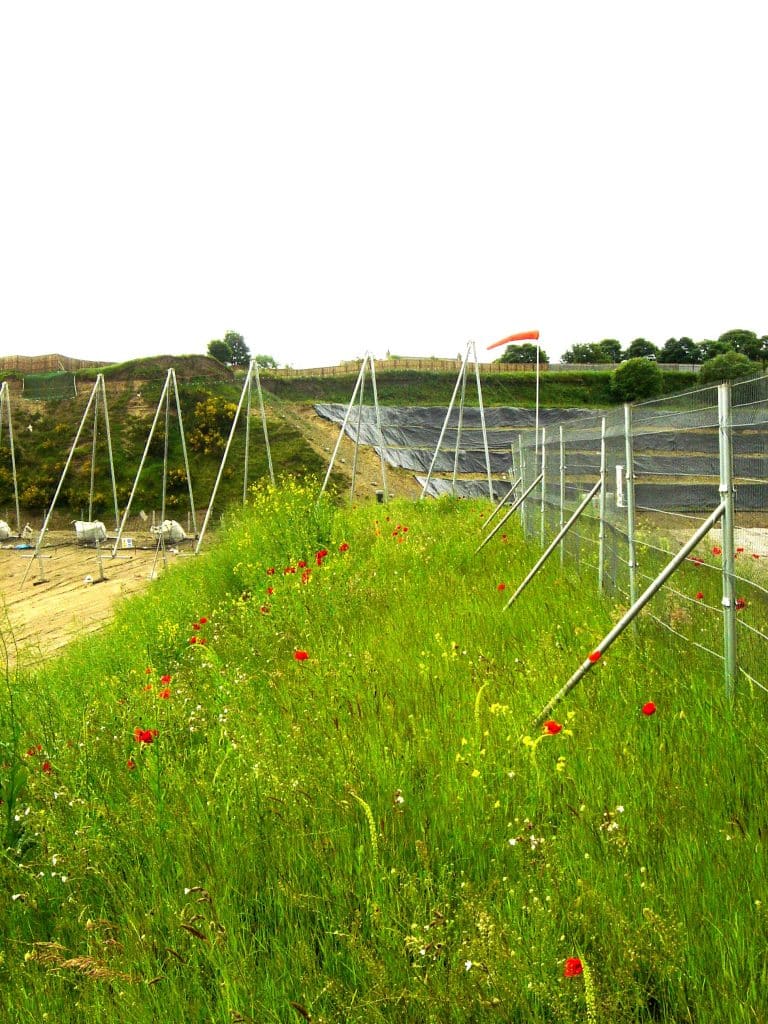
Where there is no scheduled work or requirement for access under the lines, barriers should be erected at the correct clearance distance away from the line to prevent close approach. The safe clearance distance should be ascertained from the Distribution Network Operator (DNO). HSE guidance documents Avoidance of danger from overhead electric power lines and Electricity at Work: Forestry and Arboriculture also provide advice on safe clearance distances and how barriers should be constructed. Where there is a requirement to pass beneath the lines, defined passageways should be made and clearly delineated.

The danger area should be made as small as possible by restricting the width of the passageway to the minimum needed for the safe crossing of plant. The passageway should cross the route of the overhead line at right angles if possible.

Controlling the work

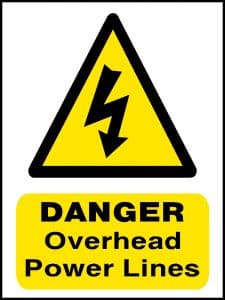
If work beneath live overhead power lines cannot be avoided, barriers, goal posts and warning notices should be provided. Where field work is taking place, it may be impractical to erect barriers and goal posts around the overhead lines – these are more appropriate for use at gateways, on tracks and at access points to farmyards.  The following precautions may also be needed to manage the risk:

  • Clearance – the safe clearance required beneath the overhead lines should be found by contacting the Distribution Network Operator (DNO);
  • Exclusion – vehicles, plant, machinery, equipment, or materials that could reach beyond the safe clearance distance should not be taken near the line;
  • Modifications – Vehicles such as cranes, excavators and tele-handlers should be modified by the addition of suitable physical restraints so that they cannot reach beyond the safe clearance distances, measures should be put in place to ensure these restraints are effective and cannot be altered or tampered with;
  • Maintenance – operators of high machinery should be instructed not carry out any work on top of the machinery near overhead power lines;
  • Supervision – access for plant and materials and the working of plant should be under the direct supervision of a suitable person appointed to ensure that safety precautions are observed.

What to do if you come into contact with an OHPL

  • If part of a vehicle or load is in contact with an OHPL, you should remain in the cab and inform the Distribution Network Operator (DNO) immediately (stick the number in a visible place in the cab and keep it on your mobile phone).
  • Warn others to stay away.
  • Try to drive clear. If this is not possible, and you need to leave the vehicle to escape fire, JUMP CLEAR – do not dismount by climbing down the steps.
  • Never try to disentangle equipment until the owner of the line has confirmed that it has been de-energised and made safe.

Contact with an overhead power line may cause the power to ‘trip out’ temporarily and it may be re-energised automatically, without warning.  Your local Distribution Network Operator (DNO) can generally supply stickers describing emergency procedures and containing contact numbers that can be stuck in the cabs of vehicles likely to be used near overhead power lines.

The leaflet called Safe working near overhead power lines in agriculture and the Electricity Networks Association (ENA) publications Safety Information for Farmers and Agricultural Contractors and Watch It! In the Vicinity of Overhead Lines provide advice on what to do if machinery or equipment comes into contact with an overhead power line.

If you require health and safety advice for your business, please contact one of the Ashbrooke team.

Ultimate safety guide to working at height

A waste management company has been fined £190,000 after a contractor died when he fell seven metres while carrying out maintenance work and our ultimate safety guide to working at height will help avoid similar accidents in your business.

The experienced maintenance contractor was part of a team under the control and direction of Wiltshire-based Hills Waste Solutions Limited. He sustained fatal injuries in the fall on 18 November 2020, while working on a mechanical screening and separating plant on the Hills Waste Solutions site in Stephenson Road, Westbury.

An investigation by the Health and Safety Executive (HSE) found that Hills Waste Solutions Limited failed to ensure that work at height was properly assessed and planned. The company failed to consider and identify how the necessary work at height could be carried out safely to ensure that the risk of falls was controlled.

Hills Waste Solutions Limited, of Swindon pleaded guilty to breaching Regulation 4(1) of the Work at Height Regulations 2005. The company was fined £190,000 and ordered to pay costs of £14,816, with a victim surcharge of £190 at Aldershot Magistrates’ Court on 17 August 2022.

“Those in control of work have a duty to assess the risks and devise safe methods of working and to provide the necessary information, instruction and training to those undertaking the work”.

“This incident could have been prevented had the work been adequately planned.”

HSE inspector Matt Tyler

ultimate safety guide to working at height

Ultimate safety guide to working at height

The purpose of The Work at Height Regulations 2005 is to prevent death and injury caused by a fall from height. If you are an employer or you control work at height (for example facilities managers or building owners who may contract others to work at height) the Regulations apply to you, and you must take steps to eliminate or reduce the risks as far as reasonably practicable.

Employers and those in control of any work at height activity must make sure work is properly planned, supervised and carried out by competent people. This includes using the right type of equipment for working at height. Low-risk, relatively straightforward tasks will require less effort when it comes to planning.

Employers and those in control must first assess the risks.

Employees have general legal duties to take reasonable care of themselves and others who may be affected by their actions, and to co-operate with their employer to enable their health and safety duties and requirements to be complied with.

Step by step guide to working at height

Considering the risks associated with work at height and putting in place sensible and proportionate measures to manage them is an important part of working safely. Follow this simple step-by-step guide to help you control risks when working at height.

Can you avoid working at height in the first place?

Do as much work as possible from the ground. A health and safety manager who I worked with for many years always used to say, “the safest place to be when doing work at height is on the ground!” Some practical examples of this include:

  • using extendable tools from ground level to remove the need to climb a ladder
  • installing cables at ground level
  • lowering a lighting mast to ground level
  • ground level assembly of edge protection

If you cannot avoid working at height by the above measures, then you should put in place measures to prevent a fall.

Can you prevent a fall from occurring?

Falls can be prevented by taking measures such as (i) using an existing place of work that is already safe, e.g. a non-fragile roof with a permanent perimeter guardrail or, if not, using work equipment to prevent people from falling.

Some practical examples of collective protection when using an existing place of work such as a concrete flat roof with existing edge protection, or guarded mezzanine floor, or plant or machinery with fixed guard rails around it.

Some practical examples of collective protection using work equipment to prevent a fall:

  • mobile elevating work platforms (MEWPs) such as scissor lifts
  • tower scaffolds
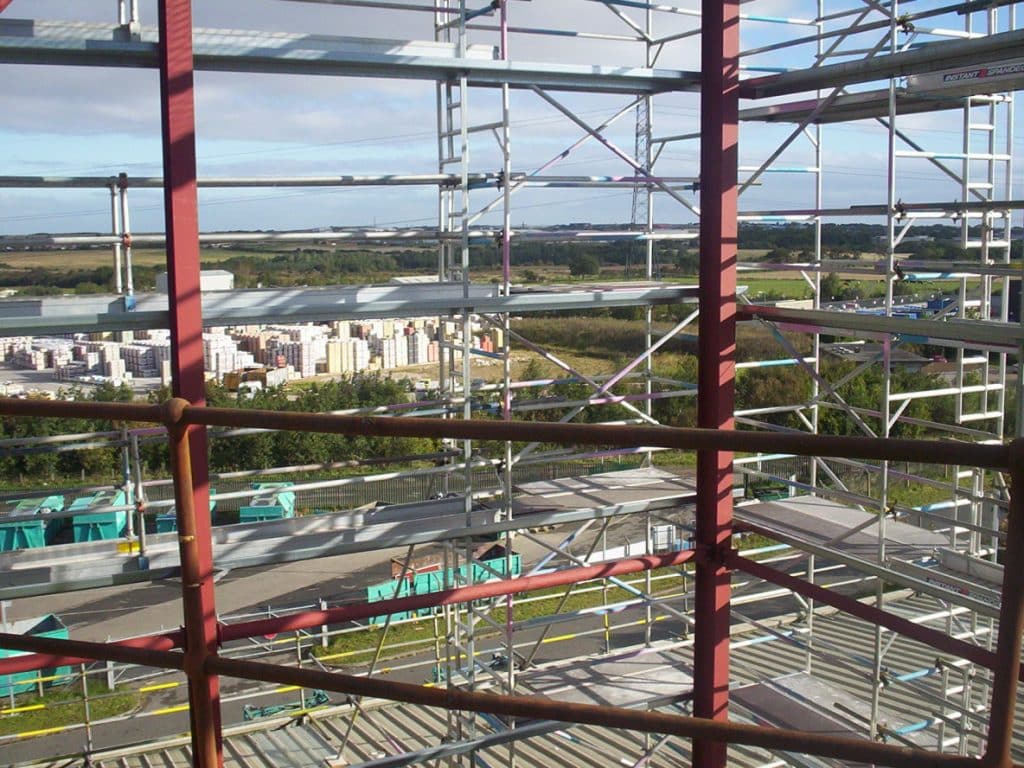
  • scaffolds

An example of personal protection using work equipment to prevent a fall would be using a work restraint (travel restriction) system that prevents a worker getting into a fall position.

Can you minimise the distance and or consequences of a fall?

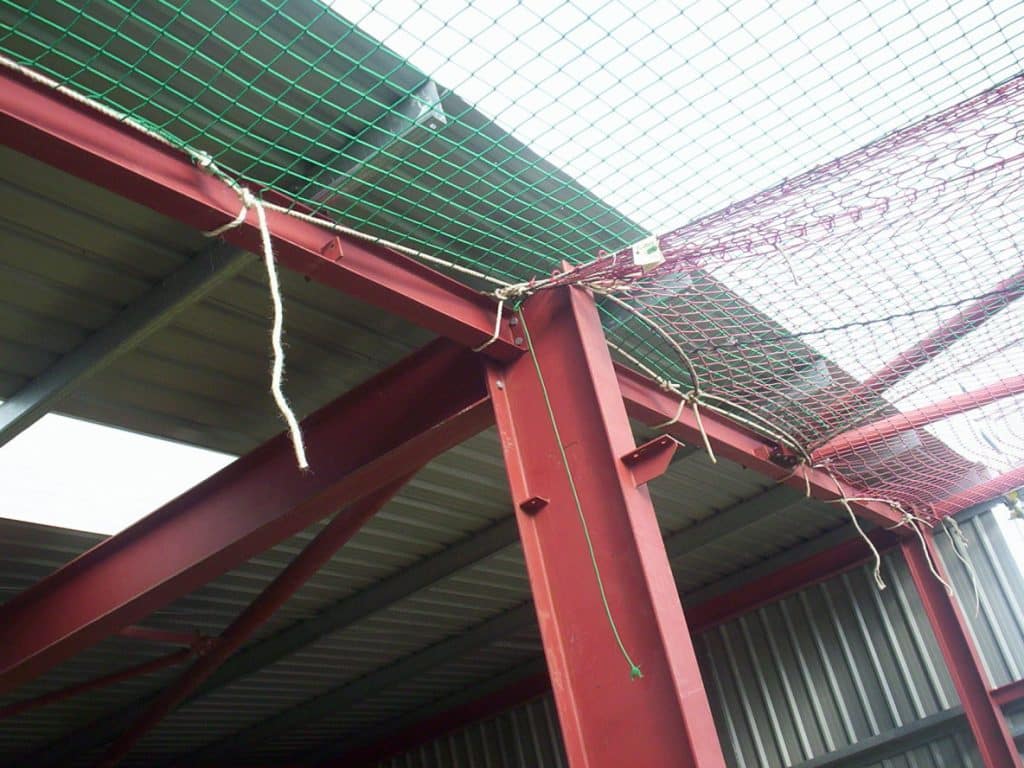
If the risk of a person falling remains, you must take sufficient measures to minimise the distance and/or consequences of a fall.  Practical examples of collective protection using work equipment to minimise the distance and consequences of a fall include safety nets and soft-landing systems, e.g. air bags, installed close to the level of the work.

An example of personal protection used to minimise the distance and consequences of a fall would be industrial rope access, e.g. working on a building façade, or a fall arrest system using a high anchor point.

Can I use ladders when working at height?

For tasks of low risk and short duration, ladders and stepladders can be a sensible and practical option.  However, ladders should not automatically be your first choice.  If your risk assessment determines it is correct to use a ladder, you should further minimise the risk by making sure workers:

  • use the right type of ladder for the job
  • are competent (you can provide adequate training and/or supervision to help)
  • use the equipment provided safely and follow a safe system of work
  • are fully aware of the risks and measures to help control them

There are simple, sensible precautions you should take to stay safe when using portable leaning ladders and stepladders in the workplace.  Employers must make sure that workers use the right type of ladder and that they know how to use it safely.

ultimate safety guide to working at height
Netting to prevent falls

When to use a ladder at work

Ladders can be used for work at height when an assessment of the risk for carrying out a task has shown that using equipment that offers a higher level of fall protection is not justified.  This is because of the low risk and short duration of use, or there are existing workplace features which cannot be altered.

Short duration is not the deciding factor in establishing whether use of a ladder is acceptable – employers must have first considered risk.  As a guide, if your task would require staying up a leaning ladder or stepladder for more than 30 minutes at a time, it is recommended you use alternative equipment.

You should only use ladders in situations where they can be used safely, e.g. where the ladder will be level and stable, and can be secured (where it is reasonably practicable to do so).

Know how to use a ladder safely when working at height

To use a ladder, workers must be competent or, if they are being trained, they should be working under the supervision of a competent person.  Competence can be demonstrated through a combination of training, practical and theoretical knowledge, and experience.  In addition, training should be appropriate for the task, and this includes knowing:

  • how to assess the risks of using a ladder for a particular task
  • when it is right to use a ladder (and when it is not)
  • which type of ladder to use and how to use it

How to check your ladder is safe before you use it

Employers must have procedures in place to ensure that before using a ladder, employees have access to user instructions from the manufacturer in case they need to refer to them and that workers always carry out a ‘pre-use’ check to spot any obvious visual defects to make sure the ladder is safe to use.

A pre-use check should be carried out:

  • by the person using the ladder
  • at the beginning of the working day
  • after something has changed, e.g., a ladder has been dropped or moved from a dirty area to a clean area (check the state or condition of the feet)

The check should include:

  • the stiles – make sure they are not bent or damaged, as the ladder could buckle or collapse
  • the feet – if they are missing, worn or damaged the ladder could slip. Also check the ladder feet when moving from soft/dirty ground (e.g. dug soil, loose sand/stone, a dirty workshop) to a smooth, solid surface (e.g. paving slabs), to make sure the actual feet and not the dirt (e.g. soil, chippings or embedded stones) are making contact with the ground
  • the rungs – if they are bent, worn, missing or loose, the ladder could fail
  • any locking mechanism – does the mechanism work properly? Are components or fixings bent, worn or damaged? If so, the ladder could collapse. Ensure any locking bars are fully engaged
  • the stepladder platform – if it is split or buckled, the ladder could become unstable or collapse
  • the steps or treads on stepladders – if they are contaminated, they could be slippery; if the fixings are loose on the steps, they could collapse

If employees identify any of the above defects, they should not use the ladders and should report the faults to the person in charge of the work.

Types of ladder and how to use them safely

Ultimate safety guide to working at height: Leaning ladders

When using a leaning ladder to carry out a task:

  • Only carry light materials and tools – read the manufacturer’s labels on the ladder and assess the risks
  • Do not overreach – make sure your belt buckle (or navel) stays within the stiles
  • Make sure the ladder is long enough or high enough for the task
  • Do not overload the ladder – consider your weight and the equipment or materials you are carrying before working at height
  • Check the pictogram or label on the ladder for any advisory information
  • To help make sure the ladder angle is at the safest position to work from- you should use the 1-in-4 rule. This is where the ladder should be one space or unit of measurement out for every four spaces or units up (a 75° angle)
  • Always grip the ladder and face the ladder rungs while climbing or descending – do not slide down the stiles
  • Do not try to move or extend the ladder while standing on the rungs
  • Do not work off the top three rungs. Try to make sure that the ladder extends at least 1 metre or three rungs above where you are working
  • Do not stand ladders on movable objects, such as pallets, bricks, lift trucks, tower scaffolds, excavator buckets, vans or mobile elevating work platforms
  • Avoid holding items when climbing (consider using a tool belt)
  • Do not work within 6 m horizontally of any overhead power line, unless it has been made dead or it is protected with insulation. Use a non-conductive ladder (e.g. fibreglass or timber) for any electrical work
  • Maintain three points of contact when climbing and wherever possible at the work position.
  • Where you cannot maintain a handhold, other than for a brief period (e.g. to hold a nail while starting to knock it in, start a screw etc), you will need to take other measures to prevent a fall or mitigate the consequences if one happened
  • Secure the ladder (e.g. by tying the ladder to prevent it from slipping either outwards or sideways) and have a strong upper resting point (i.e. do not rest it against weak upper surfaces such as glazing or plastic gutters)
  • Consider using an effective stability device (a device which, if used correctly, prevents the ladder from slipping, some types of ladders come with these)

Ultimate safety guide to working at height: Telescopic ladders

Telescopic ladders are a variation of leaning ladders but remember that they do not all work in the same way.  They should always be used, stored and transported with care and kept clean. In addition to following this guidance, it is important you read and follow the user instructions provided by the manufacturer.

Before every use – in addition to the normal ladder checks – make sure they are operating correctly and that the mechanisms that lock each section are working properly.

Always follow the user instructions regarding the opening and closing procedure. Be aware of the potential for trapping fingers between the closing sections. Remember some of the important parts are inside where they cannot be seen. If you are in any doubt, do not use them.

Ultimate safety guide to working at height: Stepladders

Our ultimate safety guide to working at height would not be complete without mentioning stepladders. When using a stepladder to carry out a task:

  • Check all four stepladder feet are in contact with the ground and the steps are level
  • Only carry light materials and tools
  • Do not overreach
  • Do not stand and work on the top three steps (including a step forming the very top of the stepladder) unless there is a suitable handhold
  • Ensure any locking devices are engaged
  • Try to position the stepladder to face the work activity and not side on. However, there are occasions when a risk assessment may show it is safer to work side on, e.g. in a retail stock room when you cannot engage the stepladder locks to work face on because of space restraints in narrow aisles, but you can fully lock it to work side on
  • Try to avoid work that imposes a side loading, such as side-on drilling through solid materials (e.g. bricks or concrete)
  • Where side loadings cannot be avoided, you should prevent the steps from tipping over, e.g., by tying the steps. Otherwise, use a more suitable type of access equipment
  • Maintain three points of contact at the working position. This means two feet and one hand, or when both hands need to be free for a brief period, two feet and the body supported by the stepladder.

When deciding whether it is safe to carry out a particular task on a stepladder where you cannot maintain a handhold (e.g. to put a box on a shelf, hang wallpaper, or install a smoke detector on a ceiling), the decision needs to be justified, taking into account:

  • the height of the task
  • whether a handhold is still available to steady yourself before and after the task
  • whether it is light work
  • whether it avoids side loading
  • whether it avoids overreaching
  • whether the stepladder can be tied (e.g. when side-on working)

Ultimate safety guide to working at height: Combination and multi-purpose ladders

Combination and multi-purpose ladders can be used as stepladders, a variation of stepladders or leaning ladders. Combination ladders are sometimes referred to as ‘A’ frame ladders and these types of ladders can be used in a variety of different configurations. You should:

  • check to ensure that any locking mechanism is properly engaged before use
  • always recheck the locking mechanism if the setup of the ladder is changed
  • on three-part combination ladders, never extend the top section (the section extending above the A frame) beyond the limit marked on the ladder and specified in the user manual

Where ladders should be used

As a guide, only use a ladder:

  • on firm ground
  • on level ground – refer to the manufacturer’s pictograms on the side of the ladder. Use proprietary levelling devices, not ad-hoc packing such as bricks, blocks, timbers etc
  • on clean, solid surfaces (paving slabs, floors etc). These need to be clean (no oil, moss or leaf litter) and free of loose material (sand, packaging materials etc) so the feet can grip. Shiny floor surfaces can be slippery even without contamination
  • where it will not be struck by vehicles (protect the area using suitable barriers or cones)
  • where it will not be pushed over by other hazards such as doors or windows, i.e., secure the doors (not fire exits) and windows where possible
  • where the general public are prevented from using it, walking underneath it or being at risk because they are too near (use barriers, cones or, as a last resort, a person standing guard at the base)
  • where it has been secured

Securing ladders and ladders used for access

There are various options available for securing ladders:

  • Tie the ladder to a suitable point, making sure both stiles are tied
  • Where this is not practical, secure the ladder with an effective ladder stability device
  • If this is not possible, securely wedge the ladder (e.g. wedge the stiles against a wall)

If you cannot achieve any of these options, foot the ladder – footing is the last resort.

Ladders used for access

In general:

  • Ladders used to access another level should be tied and extend at least 1 m above the landing point to provide a secure handhold
  • At ladder access points, a self-closing gate is recommended
  • Stepladders should not be used to access another level unless they have been specifically designed for this.

Inspecting the condition of ladders

An important element in our ultimate safety guide for working at height is inspections. Employers need to make sure that any ladder or stepladder is both suitable for the work task and in a safe condition before use. As a guide, only use ladders or stepladders that:

  • have no visible defects – they should have a pre-use check each working day
  • have an up-to-date record of the detailed visual inspections carried out regularly by a competent person. These should be done in accordance with the manufacturer’s instructions. Ladders that are part of a scaffold system still have to be inspected every seven days as part of the scaffold inspection requirements
  • are suitable for the intended use, i.e. are strong and robust enough for the job
  • have been maintained and stored in accordance with the manufacturer’s instructions

A detailed visual inspection is similar to pre-use checks, in that it is used to spot defects and can be done on site by a competent employee.  Pre-use checks make sure that a ladder is safe to use and are for the immediate benefit of the ladder user.  These checks do not need to be recorded. Any problems or issues should be reported to a manager.

Detailed visual inspections are the responsibility of the employer. They should be carried out at fixed intervals and recorded. Records of these inspections provide a snapshot of the state of the ladders over time.  When doing an inspection, look for:

  • damaged or worn ladder feet
  • twisted, bent or dented stiles
  • cracked, worn, bent or loose rungs
  • missing or damaged tie rods
  • cracked or damaged welded joints, loose rivets or damaged stays

Pre-use checks and inspections of ladder stability devices and other accessories should be performed in accordance with the manufacturer’s instructions.

Consider any trends in defect reporting which may suggest that they ladders are not being maintained or are not suitable for the work task being conducted. 

Ladder product standards

There are a number of recognised Standards that are relevant to ladders which include the EN131 standard for portable steps and ladders.

While BS2037 and BS1129 have been withdrawn, ladders originally made to these standards prior to their withdrawal may still be used (subject to following user instructions and guidance on safe use).

Conclusion

The success to any working at height activity is in the planning.  As an employer you should ensure that all working at height tasks are carefully planned, use the correct equipment and that workers are competent to carry out the activity.  This ultimate safety guide to working at height should help you plan for such work activities and, if you require advice or support for your business, please contact one of the Ashbrooke team.

Unsafe working

Unsafe working at height activity has resulted in a carpentry and joinery company being fined after a man working unsecured on the forks of a fork-lift truck fell 3.5 metres to the ground.

On 14 June 2021, the man was working for Staircraft Group Limited at their head office site at Bayton Road Industrial Estate, Exhall, Coventry.

The employee was working from an unsecured stillage on the forks of a fork-lift truck in order to clean office windows at height.  The stillage tipped and the employee fell 3.5 metres to the ground.  As a result of the incident, he sustained a broken leg and an injury to his elbow.

An investigation by the Health and Safety Executive (HSE) found the company failed to identify that using a stillage to lift someone on the forks of a forklift truck, a method that they had used before, was unsafe.  There was a lack of training for employees on the dangers of working at height without the proper equipment and there were no systems of work or risk assessments in place.

At Redditch Magistrates’ Court Staircraft Group Limited, of Bayton Road Industrial Estate, Exhall, Coventry pleaded guilty to breaching Section 2(1) of the Health and Safety at Work etc Regulations 1974 and was fined £200,000 and ordered to pay costs of £6,477.93.

“The employee’s injuries were very serious, and he could have easily been killed.

“This serious incident could so easily have been avoided by simply carrying out correct control measures and safe working practices.

“Companies should be aware that HSE will not hesitate to take appropriate enforcement action against those that fall below the required standards.”

HSE inspector Rebecca Whiley

Employers have a duty to assess the risks of working at height and to eliminate or reduce risks as far as reasonably practicable.  The Work at Height Regulations 2005 impose duties on employers to ensure that activities which are required to take place at height are conducted safely. 

Work at height means work in any place where, if precautions were not taken, a person could fall a distance liable to cause personal injury. This includes work above ground/floor level, locations where you could fall from an edge, through an opening or fragile surface or could fall from ground level into an opening in a floor or a hole in the ground

Work at height does not include a slip or a trip on the level, as a fall from height has to involve a fall from one level to a lower level, nor does it include walking up and down a permanent staircase in a building. 

unsafe working

Unsafe working at height can occur when tasks are not properly planned.  The Regulations apply to all work at height, where there is risk of a fall liable to cause personal injury. They place duties on employers, and those who control any work at height activity (such as facilities managers or building owners who may contract others to work at height).  As part of the Regulations, you must ensure:

  • all work at height is properly planned and organised
  • those involved in work at height are competent
  • the risks from work at height are assessed, and appropriate work equipment is selected and used
  • the risks of working on or near fragile surfaces are properly managed
  • the equipment used for work at height is properly inspected and maintained

Before working at height, you must follow these simple steps:

  • avoid work at height where it is reasonably practicable to do so
  • where work at height cannot be easily avoided, prevent falls using either an existing place of work that is already safe or the right type of equipment
  • minimise the distance and consequences of a fall, by using the right type of equipment where the risk cannot be eliminated

Unsafe working at height can occur when tasks are not properly planned. In planning a work at height task, you should:

  • do as much work as possible from the ground
  • ensure workers can get safely to and from where they work at height
  • ensure equipment is suitable, stable and strong enough for the job, maintained and checked regularly
  • not overload or overreach when working at height
  • take precautions when working on or near fragile surfaces
  • provide protection from falling objects
  • consider emergency evacuation and rescue procedures

What about ladders?

Unsafe working can occur if ladders are used inappropriately. The law says that ladders can be used for work at height when a risk assessment has shown that using equipment offering a higher level of fall protection is not justified because of the low risk and short duration of use; or there are existing workplace features which cannot be altered.

Short duration is not the deciding factor in establishing whether an activity is acceptable or not – you should have first considered the risk. As a guide, if your task would require staying up a leaning ladder or stepladder for more than 30 minutes at a time, it is recommended that you consider alternative equipment.

You should only use ladders in situations where they can be used safely, e.g. where the ladder will be level and stable, and where its reasonably practicable to do so, the ladder can be secured.

The HSE has produced a guide, Safe Use of Ladders and Stepladders which is available as a free download.

If you require advice on working at height in your business, please contact on of the Ashbrooke team.

Transport safety failures

Transport safety failures resulted in a company being fined £380,000 after a bus caused life-changing injuries to one of its employees when they were between a reversing bus and a stationary vehicle.

The employee of Stagecoach Devon Limited was working at the company’s Torquay depot on the morning of 3 October 2019.  Due to space limitations, buses often had to reverse to be able to leave the depot in readiness for the day’s work.  The sole banksman, who would direct vehicles, was occupied at the top of the depot where most buses were parked.

As a result, it became custom and practice for the bus drivers at the front of the depot to reverse without a banksman, or to assist each other when reversing, despite not being trained as banksmen.

The injured employee, who was caught between a reversing bus and a stationary vehicle, suffered compound multiple fractures of his arm requiring six titanium plates and 65 metal staples between his wrist and elbow.

An investigation by the Health and Safety Executive (HSE) found that Stagecoach failed to put a suitable and sufficient risk assessment in place.

This should have identified the risks inherent in the bus parking layout and action could have been taken to remove the need to reverse or mitigate the risks from reversing. For example, changing the parking layout, providing a sufficient number of trained banksmen for peak times, and improved segregation of vehicles and pedestrians.

At Plymouth Magistrates Court Stagecoach Devon Limited of Stockport, pleaded guilty to breaching Section 2(1) of the Health and Safety at Work etc. Act 1974.  The company was fined £380,000 and ordered to pay costs of £18,000.

transport safety failures

“Those in control of work have a responsibility to devise safe methods of working and to provide the necessary information, instruction and training to their workers in the safe system of work.

“If a suitable safe system of work had been in place prior to the incident, the life changing injuries sustained by the employee could have been prevented.”

HSE Inspector James Collins

Employers who operate depots must ensure that a suitable and sufficient risk assessment is undertaken covering the transport risks to ensure transport safety failures do not occur.  When considering the risks from vehicle manoeuvring, employers must ensure that vehicles have large enough windscreens (with wipers where necessary) and external mirrors to provide an all-round field of vision.  It is often worthwhile adding extra mirrors to reduce blind spots for drivers. Side mirrors can allow drivers of larger vehicles to see cyclists and pedestrians alongside their vehicles and can be effective in improving visibility around the vehicle from the driving position. These mirrors are fitted to larger road-going vehicles as standard.

Drivers should not place items in the windscreen area or in the way of mirrors or monitors, where they might impede visibility from the driving position. The area of the windscreen that is kept clear by the wipers should not be obscured, and nor should the side windows. Windows and mirrors will also normally need to be kept clean and in good repair. Dirt or cracks can make windows or mirrors less effective.

Some types of vehicles (such as straddle carriers, large shovel loaders and some large quarry vehicles) often have poor visibility from the cab. Visibility can be poor to the side or front of a vehicle as well as behind and loads on vehicles can severely limit the visibility from the driving position.

Lift trucks and compact dumper vehicles in particular can have difficulty with forward visibility when they are transporting bulky loads. Employers should recognise these risks in their risk assessment and think about ways to minimise them.

Closed-circuit television (CCTV) may help drivers to see clearly behind or around the vehicle. CCTV can cover most blind spots and the cost of fitting CCTV systems has fallen since the technology was first developed. Companies who have fitted CCTV have found that it can reduce the number of reversing accidents, so the systems usually pay for themselves in a few years.

Colour systems can provide a clearer image where there is little contrast (for example, outside on an overcast day). However, black-and-white systems normally provide a better image in lower light or darkness, and usually come with infra-red, which can be more effective than standard cameras at night.

Monitors should have adjustable contrast, brightness and resolution controls to make them useful in the different light conditions in which they will be used. Drivers may need to use a hood to shield any monitor from glare.

If possible, fit the camera for a CCTV system high up in the middle of the vehicle’s rear (one camera), or in the upper corners (two cameras). This will provide a greater field of vision and a better angle for the driver to judge distance and provide. It also keeps the camera clear of dust and spray, and out of the reach of thieves or vandals.

However, CCTV systems do have some limitations which employers should consider:

  • If the vehicle leaves a darker area to a more strongly lit area (for example, driving out of a building) the system may need time to adjust to the brightness.
  • A dirty lens will make a camera much less effective.
  • Drivers may find it difficult to judge heights and distances.

Drivers should not be complacent about safety even with CCTV systems installed as this can result in transport safety failures. They should be trained in proper use of the equipment and employers have a duty to provide such training and instruction.

Reversing alarms may be drowned out by other noise or may be so common on a busy site that pedestrians do not take any notice. It can also be hard to know exactly where an alarm is coming from, and people who are less able to hear are also at greater risk. Alarms can also disturb nearby residents.  However, reversing alarms may be appropriate (based on the risk assessment) but might be most effectively used with other measures, such as warning lights.

Additional advice on transport safety can be found in the HSE Guide to workplace transport safety (HSG 136, 2014) which is available free on the website.

If you require health and safety advice or support for your business, please contact one of the Ashbrooke team.

Construction site safety

The Health and Safety Executive (HSE) has successfully undertaken a prosecution following the death of a seven-year-old child over construction site safety.  The civil engineering firm involved has been fined £600K for safety breaches after the child became trapped and suffocated.

The seven-year-old went missing from home on the morning of 26 July 2015 and was found the next morning by workers at the construction site at Bank End Road, Worsborough, in South Yorkshire.

An investigation by the HSE found that the child had become trapped in a drainage pipe, which had been fixed into the ground in preparation for the installation of fencing posts. Tragically, he had suffocated before being found the next morning when work restarted on site.

Howard Civil Engineering Ltd of Leeds pleaded guilty to breaching regulation 13(4)(b) of the Construction (Design and Management) Regulations 2015 and to breaching Section 3 (1) of the Health & Safety at Work etc Act 1974. The company was fined £600K and ordered to pay £42,952.88 in costs at Sheffield Crown Court.

The construction site was a new-build housing development next to an existing housing estate and adjacent to busy pedestrian footpaths and roads. The HSE investigation found that there was insufficient fencing in place to prevent unauthorised persons from accessing the construction site due to a combination of poor planning, management and monitoring of the site and its perimeter.

construction site safety
HSE photograph

“Conley should never have been able to be on that site. He should have been kept out.  The construction industry should be aware of the dangers of construction sites to members of the public and any other unauthorised persons.

“The dangers to children gaining access to construction sites and treating them like a playground is an ongoing problem which must be addressed at all types of sites no matter what their complexity or size.

“The industry must do all it can to ensure children can’t access construction sites and be exposed to the inherent risks they present to prevent further tragedies like this from occurring.”

HSE inspector Paul Yeadon

Construction site safety is vital as such sites are dangerous work environments but are also interesting places for children.  All construction sites require measures to manage access across defined boundaries; and steps to exclude unauthorised people.

While the numbers of children being killed or injured on construction sites has reduced, there is no room for complacency. Each year, two or three children die after gaining access to building sites, and many more are injured.  Also, members of the public are seriously injured by materials or tools falling outside the site boundary, falling into trenches or being struck by moving plant and vehicles.

Some children are drawn to construction sites as exciting places to play. Those managing construction sites must do everything they can to keep children out of the site and away from danger.  The following specific steps are particularly relevant to child safety:

  • Secure sites adequately when finishing work for the day.
  • Barrier off or cover over excavations and pits.
  • Isolate and immobilise vehicles and plant and if possible, lock them in a compound.
  • Store building materials (such as pipes, manhole rings, and cement bags) so that they cannot topple or roll over.
  • Remove access ladders from excavations and scaffolds.
  • Lock away hazardous substances.

If you require health and safety advice or support for your business, please contact one of the Ashbrooke team.

Cleveland Potash fined £3.6m following accidents

Cleveland Potash fined £3.6m following accidents which left two electricians injured.

The owners of Boulby Mine in Saltburn-by-the-Sea were fined £3.6 million and ordered to pay costs of £185,000 after an investigation by the Health and Safety Executive (HSE).

Cleveland Potash Limited (CPL) own the mine, which extracts organic fertiliser known as Polyhalite. Teesside Crown Court heard that on the 3 August 2016 a contract electrician received serious burns from an 11,000-volt electrical system. He unknowingly had placed a vacuum cleaner nozzle into a live electrical chamber. He had to be air lifted to Newcastle hospital specialist burns unit, where he was placed in an induced coma for 10 days.

On the 12 February 2019, another electrical contractor made contact with a live conductor on a 415-volt electrical system during electrical testing works and received serious burns. He was hospitalised for six days.

The HSE found deficiencies from the owner of the mine in risk assessment, planning of works, and shortfalls in providing warnings about which parts of the electrical systems the two electricians were working on remained live.

Cleveland Potash fined

Cleveland Potash Limited (CPL) of Boulby Mine, Loftus, Saltburn-by-the-Sea, Cleveland pleaded guilty to breaching Section 2 (1) and two counts of Section 3(1) of the Health and Safety at Work etc Act 1974.

“These serious electrical incidents were easily preventable. CPL should have had a heightened awareness of electrical risks following the first incident in 2016, however failures to apply learnings and to adequately control risks resulted in the 2019 incident”.

“Employers should make sure they properly assess and apply effective control measures to minimise risks when working on electrical systems. Both these incidents were preventable if long established electrical safety practices been applied.”

HSE specialist regulatory principal inspector Paul Bradley

Employers are required by law to protect your employees, and others, from harm.  Under the Management of Health and Safety at Work Regulations 1999, the minimum an employer must do is:

  • identify what could cause injury or illness in your business (hazards)
  • decide how likely it is that someone could be harmed and how seriously (the risk)
  • take action to eliminate the hazard, or if this isn’t possible, control the risk

Assessing risk is just one part of the overall process used to control risks in the workplace.  For most small, low-risk businesses the steps that employers need to take are straightforward.  Risk management is a step-by-step process for controlling health and safety risks caused by hazards in the workplace.  An employer can undertake the risk assessment themselves or appoint a competent person to help.  The five steps of a risk assessment are:

  • Identify hazards
  • Assess the risks
  • Control the risks
  • Record your findings
  • Review the controls

Identify hazards

Look around your workplace and think about what may cause harm (these are called hazards). Think about:

  • how people work and how plant and equipment are used
  • what chemicals and substances are used
  • what safe or unsafe work practices exist
  • the general state of your premises

Look back at previous accident and ill health records as these can help you identify less obvious hazards. Take account of non-routine operations, such as maintenance, cleaning or changes in production cycles.  Think about hazards to health, such as manual handling, use of chemicals and causes of work-related stress.  For each hazard, think about how employees, contractors, visitors or members of the public might be harmed.

Some workers have particular requirements, for example young workers, migrant workers, new or expectant mothers and people with disabilities.  Ensure that you involve your employees as they will usually have good ideas.

Assess the risks

Once you have identified the hazards, decide how likely it is that someone could be harmed and how serious it could be – this is assessing the level of risk. In assessing the level of risk, decide:

  • Who might be harmed and how
  • What you’re already doing to control the risks
  • What further action you need to take to control the risks
  • Who needs to carry out the action
  • When the action is needed by

Control the risks

Look at what you are already doing, and the controls you already have in place to ensure the safety of workers and others. Consider:

  • Can I get rid of the hazard altogether?
  • If not, how can I control the risks so that harm is unlikely?

If you need further controls, consider:

  • redesigning the job
  • replacing the materials, machinery or process
  • organising your work to reduce exposure to the materials, machinery or process
  • identifying and implementing practical measures needed to work safely
  • providing personal protective equipment and making sure workers wear it

Put the controls you have identified in place. It is important to remember that you are not expected to eliminate all risks but you need to do everything ‘reasonably practicable’ to protect people from harm. This means balancing the level of risk against the measures needed to control the real risk in terms of money, time or trouble.

Record your findings

If you employ 5 or more people, you must record your significant findings, including:

  • the hazards (things that may cause harm)
  • who might be harmed and how
  • what you are doing to control the risks

The HSE has a number of example risk assessments on its website as a guide for employers.  Employers should not rely purely on paperwork, as the main priority should be to control the risks in practice.

Review the controls

You must review the controls you have put in place to make sure they are working. You should also review them if:

  • they may no longer be effective
  • there are changes in the workplace that could lead to new risks such as changes to:
  • staff
  • a process
  • the substances or equipment used

Also consider a review if your workers have spotted any problems or there have been any accidents or near misses.  You should then update your risk assessment record with any changes you make.

If you require health and safety advice or support for your business, please contact one of the Ashbrooke team.
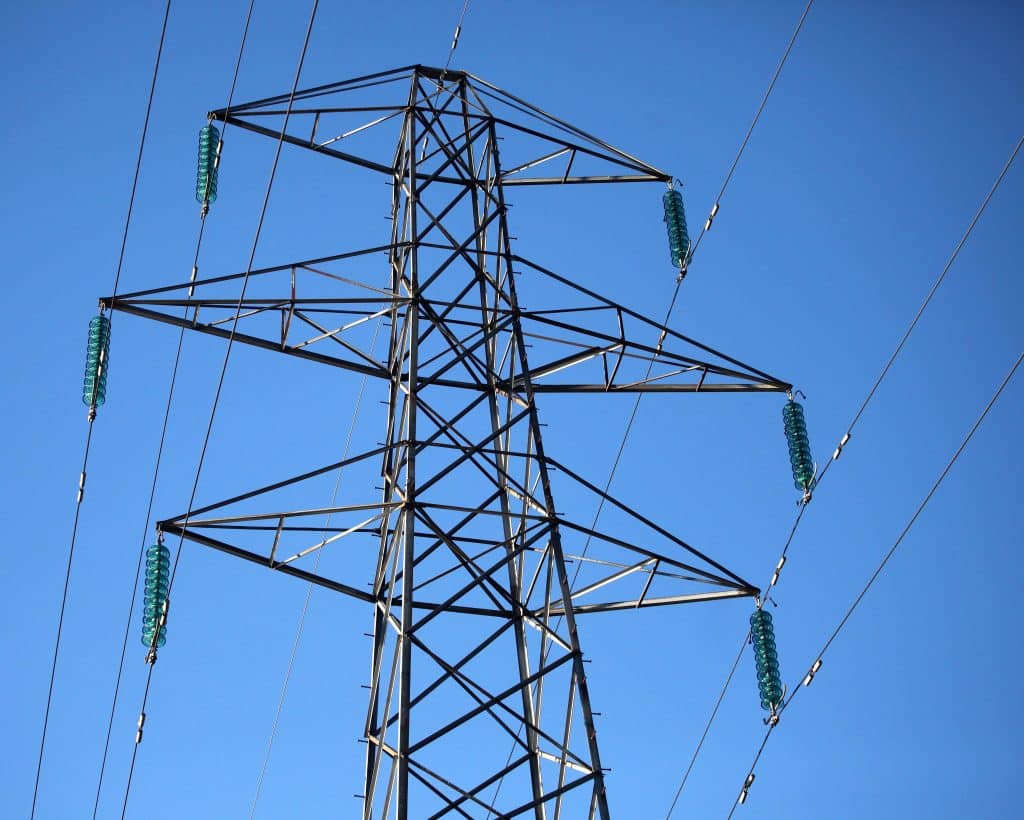
Dyson fined after worker injured

Technology firm Dyson fined after worker injured by a machine sustained head and chest injuries when he was struck by a 1.5 tonne milling machine.

The worker, at Dyson’s Wiltshire factory, was hit while moving the machine, which fell on top of him.  He only escaped being crushed under the weight of the machine because it landed on two toolboxes and the handle of another machine. The incident happened on August 27, 2019. 

An investigation by the Health and Safety Executive (HSE) found Dyson Technology Limited failed to provide suitable and sufficient information, instruction, and training to those undertaking the task. They also failed to adequately assess the task and devise a safe system of work to ensure the machine was moved safely.

Dyson fined
Milling machine accident (coutesy of HSE)

The investigation found that two employees were moving a large CNC milling machine within the engineering department of Dyson’s site at Tetbury Hill, Malmesbury. The employees lifted the machine using a five-tonne jack and were in the process of replacing two fixed roller skates with several wooden blocks when it fell.

One of the employees was struck by the machine and sustained a wound to his head and injuries to his chest.

At Swindon Magistrates’ Court Dyson Technology Limited of Tetbury Hill, Malmesbury, Wiltshire pleaded guilty to breaching Section 2(1) of the Health & Safety at Work etc Act 1974. The company was fined £1.2m and ordered to pay costs of £11,511.

“This incident could have been fatal. Those in control of work have a duty to assess the risks, devise safe methods of working and to provide the necessary information, instruction, and training to their workforce.

“Had a suitable safe system of work been in place this incident and the related injuries could have been prevented.”

HSE inspector James Hole

The Management of Health and Safety at Work Regulations 1999 (MHSWR) require employers to put in place arrangements to control health and safety risks. As a minimum, employers must have the processes and procedures required to meet the legal requirements, including:

  • a written health and safety policy (if they employ five or more people)
  • assessments of the risks to employees, contractors, customers, partners, and any other people who could be affected by work activities – and record the significant findings in writing (if they employ five or more people). Any risk assessment must be ‘suitable and sufficient’
  • arrangements for the effective planning, organisation, control, monitoring and review of the preventive and protective measures that come from risk assessment
  • access to competent health and safety advice either internally or externally e.g. a consultant
  • providing employees with information about the risks in their workplace and how they are protected
  • instruction and training for employees in how to deal with the risks
  • ensuring there is adequate and appropriate supervision in place 
  • consulting with employees about their risks at work and current preventive and protective measures

If you require health and safety advice or support for your business, please contact one of the Ashbrook team.